Why I Run Review Sessions

I am revisiting this idea. While I am not teaching a large first year course anymore, this post is relevant. I started this post a few years ago and saved it as a draft. Now, I am finishing it and mindful that it is a good reminder for my teaching and learning. I am an advocate of review sessions and workshops for students. We want students to think about how their professor is helpful. I include a screen grab from a search for “my professor is.”
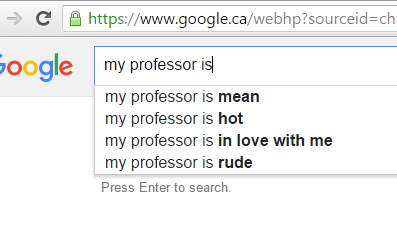
my prof is

I am co-teaching a first year level course with three other faculty and one of the things that I take on as the professor of record is offering review sessions for the exams and other major assignments. I have taught first year courses for most of my academic career and the review sessions are important to helping my students with their learning. Review sessions or re-visiting “how to be successful” is not pandering to our students. It is an important part of active teaching.

Now that I have started my 19th year of teaching, I have come to realize several things. My students want more guidance about assignments. For an array of reasons, when I first started teaching the typical student would come to office hours or ask a question about an assignment in class. Now a majority of them want me to give them more information about the major assignments during class time. They likely feel that the stakes are higher for them and they want to fully understand my expectations.

I have also found that when we are blogging, uploading to Wikipedia or using any educational technology platforms in the classroom they need more than one workshop session to learn the technology. Some colleagues are surprised to hear this, “but they are the digital generation.” Yes, we can refer to our students as such, but when marks are involved it is a different story. This is not an exhaustive list of what I have learned over the years. I will certainly add to this post, as I ruminate why I am fine with clarifying, review sessions or otherwise digging deeper.

 

The Way You Work: Revisited

Academic work requires so much solitary work and this makes it flexible and at times impossible. Work always beckons and the to do list can become burdensome. We are at the start of Summer term at the campus where I work, and it is the perfect time to think about how you can re-focus on the way you work. What works for you?
Right about now academics are thinking about the long list of things to accomplish during the Summer. Honestly, though, how do you work?

I find that I need some white noise when I am doing certain tasks and other tasks requires quiet or music at a low volume. At the day’s end when I am completely alone this is the time that I listen to music set high. I like to chunk out as many tasks as I can during these evenings alone at work. My job requires lots of meetings and this means that I have to catch up from the meetings. I am an early riser and tend to get lots completed before anyone else in my family wakes up.

I have blogged previously about the importance of having good work and life balance and boundaries. I know that this is extremely important, but the reality of work is that some months are more busy than others. I am also trying to think about the way I work and what keeps me organized and able to get things done. I love coffee and the entire process of making and savoring it. This ritual is part of my morning and reading the papers. I also realize that the caffeine is necessary most days.

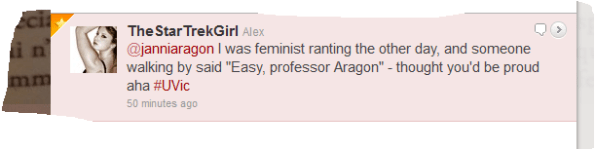
I need desk time to plan and think, and I need to walk around and will find myself in walking meetings. <They are awesome!>  . I will talk into my phone and dictate notes from a meeting or send myself emails to update. I also use this time to clear my head and plan for the next meeting, task, or day. I need some alone time to organize my day. I use Todoist to organize my tasks and I have found this tool works well for me. While this is not a feminist rant, I was thinking about this quote and feel it fits.

Aragon Rant_Twitter


Epiphanies

Most instructors have likely experienced this. You get your mail in the department and you have a card from a former student that essentially says the following: I took your class a number of years ago and wanted to say thank you. I thought you were crazy, but now that I’ve been working I find that I think of you and the class fondly. I am sorry for being a jerk. Your class was important. Thank you. I appreciate the thanks, and I also appreciate the apologies for sarcasm or making the class discussion more difficult. These notes are quite meaningful.

Approximately ten times per year, I get emails, cards or Facebook messages like the above from my former students. Funny enough the cards are from an array of students and it is sloppy to say it is from the haters. The cards come from former students who are being honest. Some might think  that they were difficult, but I find that their memory and my memory vary. I can think of two very difficult groups over the years, and I have heard from one person out of that group, and the apology appeared honest at first. I say that, as that former student appeared lots in my social media being rather antagonistic. I wish I could say that the above is pure hyperbole. It is not.

Lately, this has happened more than most years. I think it’s the fact that the numbers of students that I have taught has increased or maybe it is the fact that I just finished my tenth year at the fourth university. They know how to contact me via snail mail, email or social media.

My point here is I have found that the students who send these notes surprise me. I am happily surprised that they contacted me. I am happily surprised with the thanks, and reminded about the privilege that I have working with them in the classroom. But, each card notes that I was approachable, enthusiastic or that my playing devil’s advocate made a difference. My students are not jerks. They are diligent, hard-working, exhausted, balancing lots, and do what they can. They are imperfect. And, so am I.

Great caption, excuse the f bomb


What My Students Have Taught Me

I submitted my students’ grades and I have now completed my 18th year of teaching. I want to reflect on this year, but also begin to think about the next school term. This post offers some thoughts about what my students have taught me.

What have I learned from my students?

  1. Some of them are at university as a placeholder. Everyone tells them it was next for them. For many of them they are in the right place, but for some they will need some time off or to do other things, and this is fine. We have to support them.
  2. Their first year is hard. They are acculturating to university life and possibly living away from their parents. You have to treat the students with extra patience during the first term. Be firm, but patient.
  3. They are excited. You really want to keep that enthusiasm up, as it will for them when they are exhausted, homesick or second guessing themselves.
  4. You are part of their university experience.
  5. Working with first years for the bulk of my years, you are one of many who have impact on their ability to get through the first year. It is important to set guidelines, but be kind.

Overall, my first years have taught me humility. They are the hardest students to work with, as they demand the most of me. They also offer the most harsh quantitative and qualitative assessment of my teaching. It is ironic that a class full of people who are for the most part new to university are assessing my ability to teach. Who are they comparing me to? But it is important to hear from all my students, and learn from them. They make me smile with their compliments and criticism. It’s interesting to see that three students might like my use of “keener,” but one thinks that it is offensive. Yes, offensive. I cannot please everyone, and I do not try to do so. It is impossible!

I really look forward to year 19, which starts next month with the new term. I include a photo of my favorite Supreme Court Justice, Ruth Bader Ginsburg, who is also known as the Notorious RBG.

notorious rbg


Cyberbullying

I read Sarah Darer Littman’s Backlash. The book’s cover notes, “What happens online doesn’t always stay online…” The book is a mature read in the Young Adult Literature #YALit genre. I read the book in one sitting staying up later than I really wanted to, but the book was a compelling page turner. Unfortunately, there are numerous cases of cyberbullying that make the mainstream news, so we know that this story is too real for so many young people.

The book does a great job of sharing the painful lesson that Cyberbullying is not a victimless crime. I suggest that parents, teachers, and young people read the book and then have discussions about the content. I encourage you to read this book.

backlash.PNG

Don’t Blame Technology

The acceptance letters are going out to all the Grade 12 students. I am reading lots of books about teaching and technology, and reflecting on the ways in which we talk about first year students and technology. I felt it was worth continuing this conversation.

The New York Times article “Growing Up Digital, Wired for Distraction” made the rounds, but since there have been other similar articles. It is to easy to blame technology on the disconnect that educators find with the current cohort of students in our first year courses. I am going to speak to this notion that the Net Gen are artful multi-taskers and think differently. Instead, what we really have is a cohort of young people who are used to using technology all of the time for gaming, fun, communicating, research, school work, and for making connections with others. Of course, some are using technology merely for gaming or social networking, but you get my point.

Part of my job is to acculturate students to the environment of higher education. This is why my course syllabus states that students should be taking notes or checking the course Moodle site, but not gaming during lecture. It’s distracting to those around them and frankly, if you want to game, download music–do that outside of the classroom. This notion of the Net Gen being better at multi-tasking has been disputed on several occasions this year with new research that states that the Net Gen are no better at multi-tasking than previous generations.

I am not a tech Luddite. I have an iPhone and have often been an early adopter of different technology or applications. However, I tire at the sheer number of articles that extol only the virtues of technology in reference to youth. This New York Times article doesn’t do this, but it opens up the door to excuse making for rude behavior in the classroom and in communication. If the Net Gen wasn’t spending hours online gaming or connected to Facebook, they most likely would be on the phone for hours with friends. Technology has replaced other great time vacuums that previous generations used. Here, all of this conversation is directed toward youth who have access to technology. These are really first world concerns and conversations.

We need to remember that ultimately lots of business and human interaction takes place face to face. This is where we need to remind the Net Gen about classroom etiquette and communication etiquette online and offline. In much the same way, though, educators need to be realistic about their teaching and make sure that the material and means of presentation of the information is engaging. And, we need to equip are students with skills to use the technology well. We are all in this together.

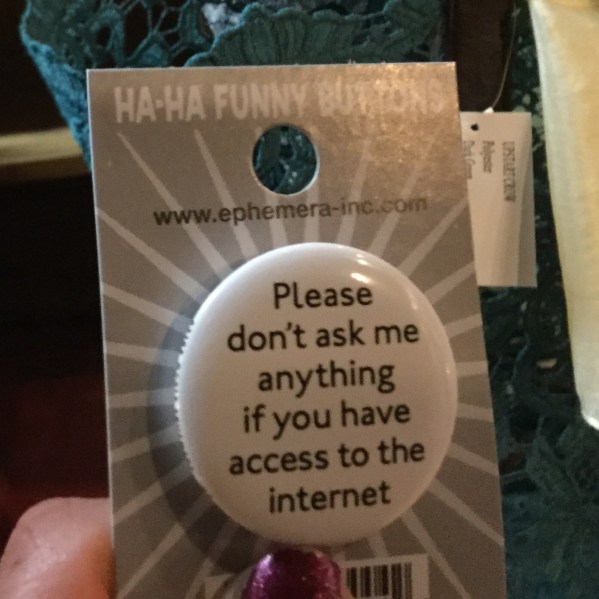
internet button

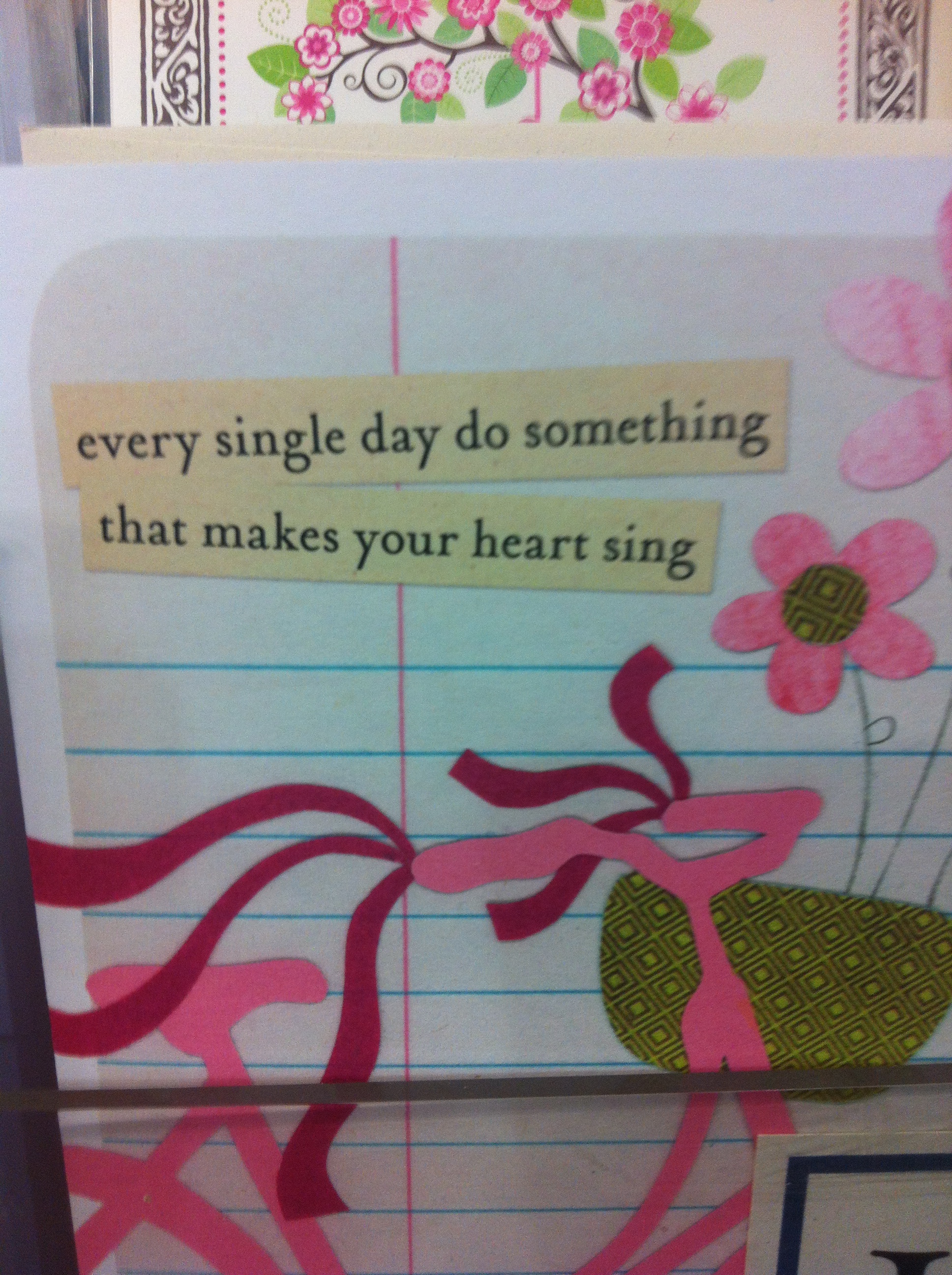
Sassy Button

Friday Fun Facts

I am trying to get back on the Friday Fun Facts bike. My Fun Facts will be about conferencing.

  1. I started attending academic conferences when I was an undergrad. One of my mentors was supportive and shared that I  needed to get used to presenting  my work and the entire conference experience.
  2. My first terrible conference experience was at an APSA. I was a grad student and the discussant was unpleasant to the entire panel. I listened and learned and have taken my discussant role seriously. I am thoughtful and supportive.
  3. Once I earned my PhD, I always made sure that I took a grad student out to breakfast or dinner at a conference. And, I always introduce grad students to my network. I know what it is like to feel like an outsider in the at times clique-ish academic environment.
  4. If I see poor behavior by a discussant at a conference, I contact the conference organizers. I will not be a bystander to someone needlessly being an ass to people. See number 2. I will usually respond to the colleague who is not using a filter.
  5. I have multiple copies of my presentation and travel with my own dongles/connectors. I learned the hard way and have become very agile and ready to present my talk.
  6. I often invite a student or more junior colleague to present with me on a panel or round-table.

Hope these six, fast facts are useful. Share your conference facts! Sharing an image from Twitter. I love this mug.

img_2755

Whine Weds

I’ve seen the #wineWeds and #whineWed tags on Twitter and both have made me smile. Although I do prefer the sarcastic #whineWeds tag. Lately, I have followed the #wellnessWeds tag on Twitter and other social networking sites. I am trying to spend any extra time thinking about the positive and surrounding myself with people who really bring me joy. Yes, I have read Marie Kondo’s books and I have decluttered lots in my house, and other parts of my life. There is something truly liberating for me to be able to protect my time.

Recently I was at a regional conference in my home discipline and I took special care to protect to my schedule, and outside of conference commitments I was very careful with any extra time that I had. I brought along some work and I needed to take care of it. I read reports, and graded in the sun, and kept up with my email. I also attended fewer obligatory receptions, and I am fine with that. I was in charge of my time. I did get some networking in, but it’s not the feverish networking of someone who is looking for work and trying to make all the connections. I’ve been there.

I am hearing from vendors or other partners about the need for a conference call and the one to three day warning for the meetings is not enough. The emails that note ASAP are not a priority for me and my time. The people who I work with regularly and have access to me and my time do not need to flag the message as important. It is often the vendor or someone who has not planned their time well, who uses that flag or note.

I need to balance my work and it is getting easier for me to offer a polite no and suggest the call or meeting for next week or the week after. So, on this #wellnessWeds I lift up my coffee and say, “Protecting your time, protects you.” It is perfectly acceptable to say, No. No, I am not available. No, I will not engage with you. No, I will not respond to your passive aggressive email with a passive aggressive response. No. But, always say yes to Tacos.

image

Performance Reviews: Coaching Your Grad Students

Today’s Fri Fun Facts is about my new use of writing Performance Reviews for the Teaching Assistants. After looking through the Canadian Union of Public Employee’s Agreement between my employer and the local group, I decided that it would behoove me to offer the Teaching Assistants a more formal review.  Today’s Fri Fun Facts will speak to how I will do this every term on.

My intention was to provide each Teaching Assistant with an honest, fair assessment of their work this term hoping that they could use the review in their teaching dossiers or as part of their resume paperwork. Writing the reviews took more time than I thought it would, as I really wanted to convey a personal review for each Teaching Assistant. How did I do this?

When I meet with each Teaching Assistant to review their graded work, I would email myself notes about the meeting and these summaries were useful. When students would see me during office hours and offer unsolicited comments about their Teaching Assistant, I would email myself a copy of the comments for my records. These little things were important to providing me a memory of the Teaching Assistant’s performance.

My suggestions:

1. Keep notes or records about the Teaching Assistant’s performance. If there is every tricky situations, these notes are really useful. More importantly, this will be helpful when you have to write a letter of reference or serve as a reference.

2. Check in with the Teaching Assistants to make sure that they are doing well and feel that they are getting enough support from you. You should assign a mentor Teaching Assistant to a new Teaching Assistant.

3. Provide them guidelines about your expectations. You might email or verbalize this. I actually provide a dossier: a one to two page expectations letter, sample graded work, exams, grading guidelines for the university, and a copy of the syllabus.

4. Be available. You need to set up times to be available for their questions or be willing to guide and coach the Teaching Assistants as needed. Some will need more of your time and others hit the ground running.

5. With the review, think about the Teaching Assistant’s grading, effort, interaction with the team, students, and comment on this. Note any areas for improvement and be willing to note if you think that you could have supported the Teaching Assistant more.

6. Be honest. The review should be helpful, but it does not need to only be positive. Constructive comments are sometimes needed, but offer them in a helpful manner.

Overall, the Performance Review should be helpful for you, the Teaching Assistant, and any future employer who sees the document. Remember that the arrangement is really an apprenticeship and you need to mentor or coach the graduate student, as this is not “free” grading for you. The cost is really supervising and helping the Teaching Assistant perform the duties. I have to remind myself of this occasionally! How do you evaluate your graduate students? Performance reviews is feedback, and we all deserve constructive feedback.

Do Not Glorify Busy: Friends

This post is revised, but provides a timely reminder. Our lives are not about competing with one another about how busy we are. No one wins the busy olympics. Do not glorify busy. Do not proudly say, “I am triple booked.” One-upping does not make you more important. We are all busy.

My mantra for 2013 was: I will not glorify busy. This mantra deserves its own post, but I will speak to something more specific here. I continue to not glorify busy, since I know that everyone is busy and it’s relative to our lives. I will not make myself more busy than I need to and pass on social situations that I have to “phone in.”  This does not include work meetings or commitments, as that is different since I have to attend these meetings. I had a loved one in my family go through a major health crisis a few years ago and it was a wake-up call for better life balance and here I am thinking about things. I am better at taking time off. I have not perfected it, but I am getting better. One of the things that I am more cognizant of that is extremely important that I take care of myself. I am not talking about the basics: food and shelter. No, I’m referring to a more nuanced way of taking care of myself. If I have better balance in my life, my family benefits. If my family benefits, so do my friends, and then my co-workers and students. When my family was in crisis, I saw which friends were available and offered help and more importantly I also saw who I wanted to spend time with during my down time or me time.

I want to surround myself with people who are good friends. I want to spend time with people who are not vampires–you know the ones. You might refer to them as emotional vampires. Now, that I am trying to take better care of myself, I am more careful with my free time. Friendships are important and I am surrounded by some wonderful people in my life. But, I took stock during the last nine months and have forged some stronger friendships with some friends and have walked away from some other more shallow friendships. Surround yourself with people who have your back! This post is germane given that I am off to BlogHer and will surround myself with like-minded people. My hope it to make some new friends and finally meet some “old” ones in real life.

This post is reposted with a few things added. Overall, the sentiment is germane. Do not glorify busy. You will not get a gold medal or cookie for being busy. Take care of yourself!

627