Peer Mentoring: Graduate Women Scholars

I often tell my students that my mentoring does not have an expiration date. It does not. I benefited from some wonderful mentors and I feel indebted to them. I was lucky enough to have a mentor who had the foresight to organize all the women students who knocked on her door. I won’t get the history right here, but essentially she saw that women students wanted similar things from her. So, she decided to get them all together monthly and the group was borne.

I first started attending the mentoring group when I was an advanced undergraduate and continued throughout most of my graduate degrees (two MAs and the PhD). We would meet monthly and discuss issues like: how to put your curriculum vitae together, how to communicate effectively, how to write an abstract for a conference, how to have balance in your life, and so many other germane topics. What worked so well with the group is that it was a conversation. While the sponsoring faculty member had her degrees and experience to share with us, we also had graduate students at all stages of their education participating in the group. We learned from one another.

The rules were simple—we brought food to share and we made sure that when we left there were no dirty dishes or mess in her house. While there we sat around in a circle on the floor or bit of furniture and introduced ourselves and then the topic. We would take a break to eat and then resume the meeting. Continue reading

Getting Involved in Your Community

This post is both for students and non-students. More then five years ago, I resolved (without it being a New Year’s Resolution) to get more involved in my community more so. I am already engaged on campus and within some networks in Political Science and Higher Education. What I wanted to do was expand these networks and friendships off campus in the city where I reside.  To this end, I started to attend more community events and actively networked more off campus.

It is too easy to get lazy and keep on going to the same old haunts and seeing the same people (some wonderful). At first I must admit, it was a little strange. Would I meet people? Would it be fun? Yes, to answer both questions. I have networked, relaxed, and socialized and in the process have met many people. Some of the connections have proved fruitful for former students—yes, I have helped students get internships or jobs. But, it has also been great for me. I feel like I was getting comfortable and not exploring the city and making Victoria my home.

Specific to students, getting involved on campus and networking is not only fun, but can also help you with your future career goals. And, you will meet your peers who are going through the same things that you are. You might even make some life-long friendships. As an undergraduate advisor, I want students to feel like they are part of the campus community. Why? Students are apt to be more successful and happier during their studies. Seriously. Check out the clubs and course unions. And, for community members–come onto campus and network with faculty, staff, and students.

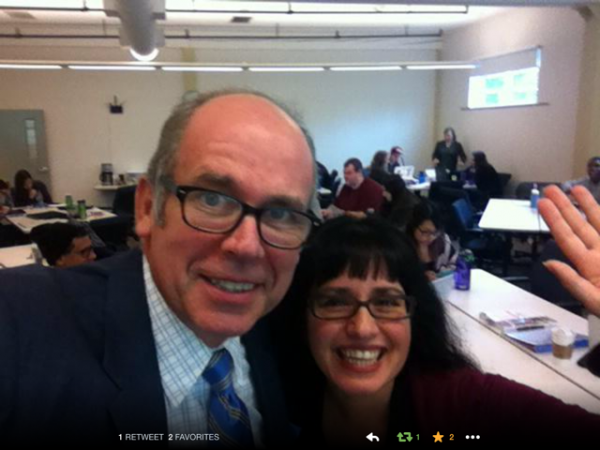
I include a photo below of the wonderful Hudson Mack, who invited me to attend his class at Royal Roads. Thank you to Hudson and his great students! Hudson took the photo.

Janni and Hudson

2014: Retrospect

I am thinking about the last year and I have more than a few takeaways; however, I want to focus on five. This year was filled with many highlights and I do not want to do the brag or the humble brag.

What was important to me:

1. My family. My family keeps me grounded. I love the texts from different family members: leave work. Where are you? Are you picking me up? This array keeps me focused while I am work and then focused on my time with them. They are also great at reminding me that I need to unplug.

2. Good health for me and my family. No need to explain more here.

3. Learning. This includes my own learning and others around me. I love teaching and each time I walk into the classroom I think about how lucky I am to get paid to think, read, grade, and write for a living.

4. Leadership. Here I am referring to my own leadership on campus, but also the crucial people who I am learning from thanks to their leadership and mentorship.

5. Listening. Listening is such an important skill to have and when I was an undergrad advisor a major part of that job was listening (and helping) students in my office. Leading a service unit on campus means that I must listen lots to the team and those around me.

I look forward to what the next school term holds. I know that my family will remind me to unplug and that I will continue to learn from those around me.

/home/wpcom/public_html/wp-content/blogs.dir/fa7/15300516/files/2014/12/img_5615.jpg

Girls Learning Code Day

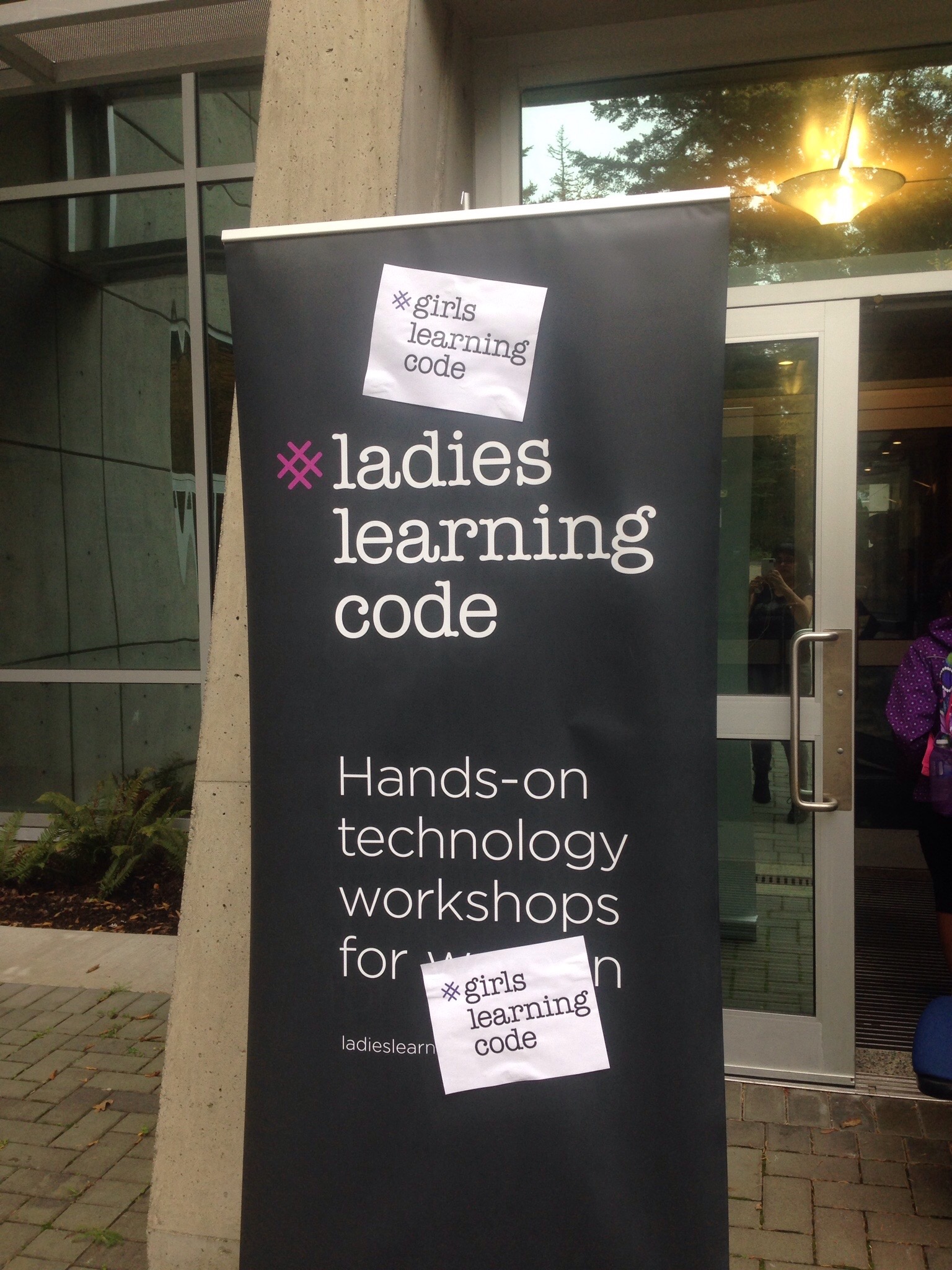
Today my youngest daughter and one of her friends attended Girls Learning Code Day activities at UVIC. It was a packed day of coding in the Engineering Computer Science Labs for the kids and their parents. The crowed was packed with girls, a few boys, and lots of parents. The girls and their parents stormed the Ivory Tower or in this case the tower of the Engineering wing. This day probably saw the most girls and women in the building than at any other time.

There were numerous mentors at the event, too. The mentors were a good mix of UVIC graduate students, alum, and local mentors from tech companies or other businesses in Victoria. The Girls Learning Code Day took place across Canada and was sponsored by MasterCard. I would like to thanks Ladies Learning Code national, the Victoria Chapter, Erin Athene, and Linley Faulkner for all of their hard work in putting together the successful event.

IMG_5772.JPG

BlogHer14 Takeaways

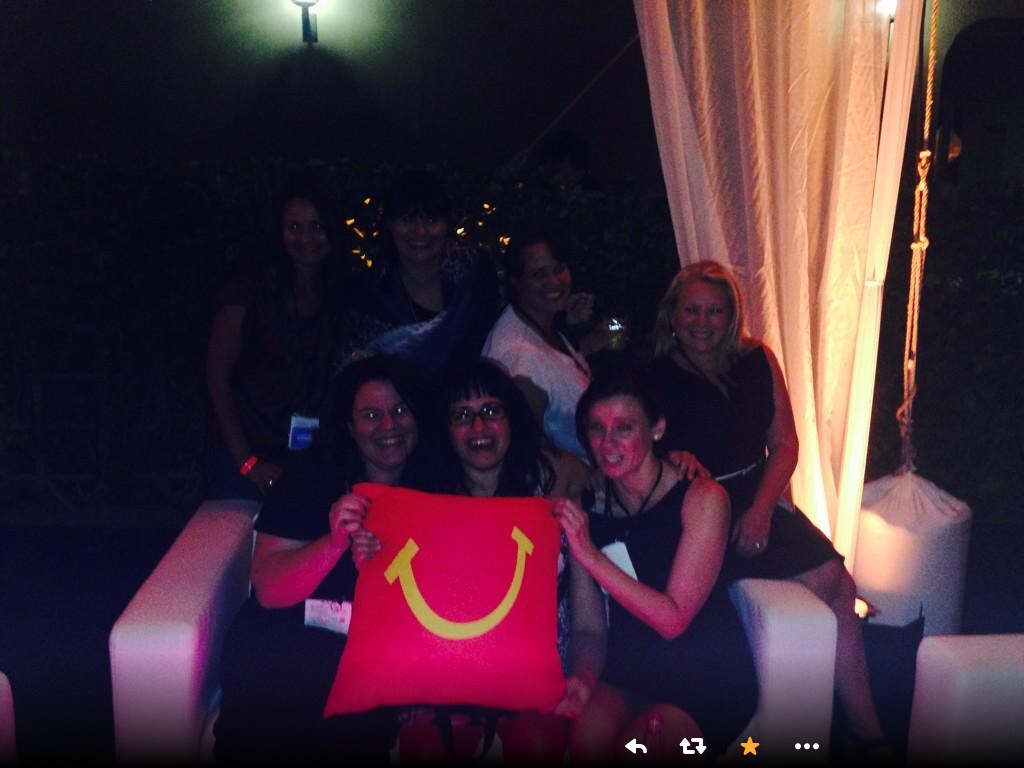
I attended the 10th BlogHer held in San Jose, California. This was my third BlogHer and I was really looking forward to the media sessions and the future of blogging. I also wanted to network and check in with the WordPress Happiness Bar consultants, as I had some questions about my site and other more general questions related to the enterprise instance of WordPress at work.

What was different this time? Prior to the conference, BlogHer contacted attendees to sign up for different Skype groups, and queried BlogHer veterans if they would be willing to mentor a newbie. I joined a few groups: Bloggers of Color, Parents of Tweens & Teens, Scandal, and Game of Thrones. I wished there was an Orphan Black group, but where would they stop?! I was paired with a few women who were new to the conference and had Skype messaging conversations with them. I ended up meeting one of my “buddies” at registration and got to know her during the conference. A big thank you BlogHer for making this arrangement, and for continuing the conversations post-conference, as it’s a great way to keep building the community.

I do not know if the pairing was a new thing, but it worked great for me. I got to chat with my new friend about her work and reasons for attending BlogHer and we just had honest conversations about work, social media, blogging, entrepreneurship, family, and more. BlogHer is a different type of conference. It is diverse in terms of topics covered and the attendees. I sat at many sessions or keynote presentations and noticed the diversity in the room and this is a quick observation based on phenotype and not knowing every story or identity.

What else did I learn? People are doing amazing things with technology on their blogs. Lots are using different media platforms to share video, make videos or just add to the overall presentation of their sites. Infographics are used more and this could explain Canva’s presence as a sponsor. I got the sense once again that the consumerization of the platform is key for many users. People want to move their blogs forward, share their story, and in some cases make money in the process. It was interesting to see so few refer to privacy or security. And, as I noted in my Twitter posts, this is something that I am more cognizant of, given that I live in a province with the most strict privacy and records management guidelines in the country. As an expat living in Canada, I live in both worlds in the Twittersphere and Blogosphere. My personal footprint is radically different than my work footprint or use, but that is for another post.

Overall, BlogHer continues as an amazing conference and space for women (and some men and other allies). My only regret is that I do not have a clone who can attend other sessions for me to soak it all in and take notes. Rock on, BlogHer!


blogher1


mcbloher2

Mexican Food & BlogHer

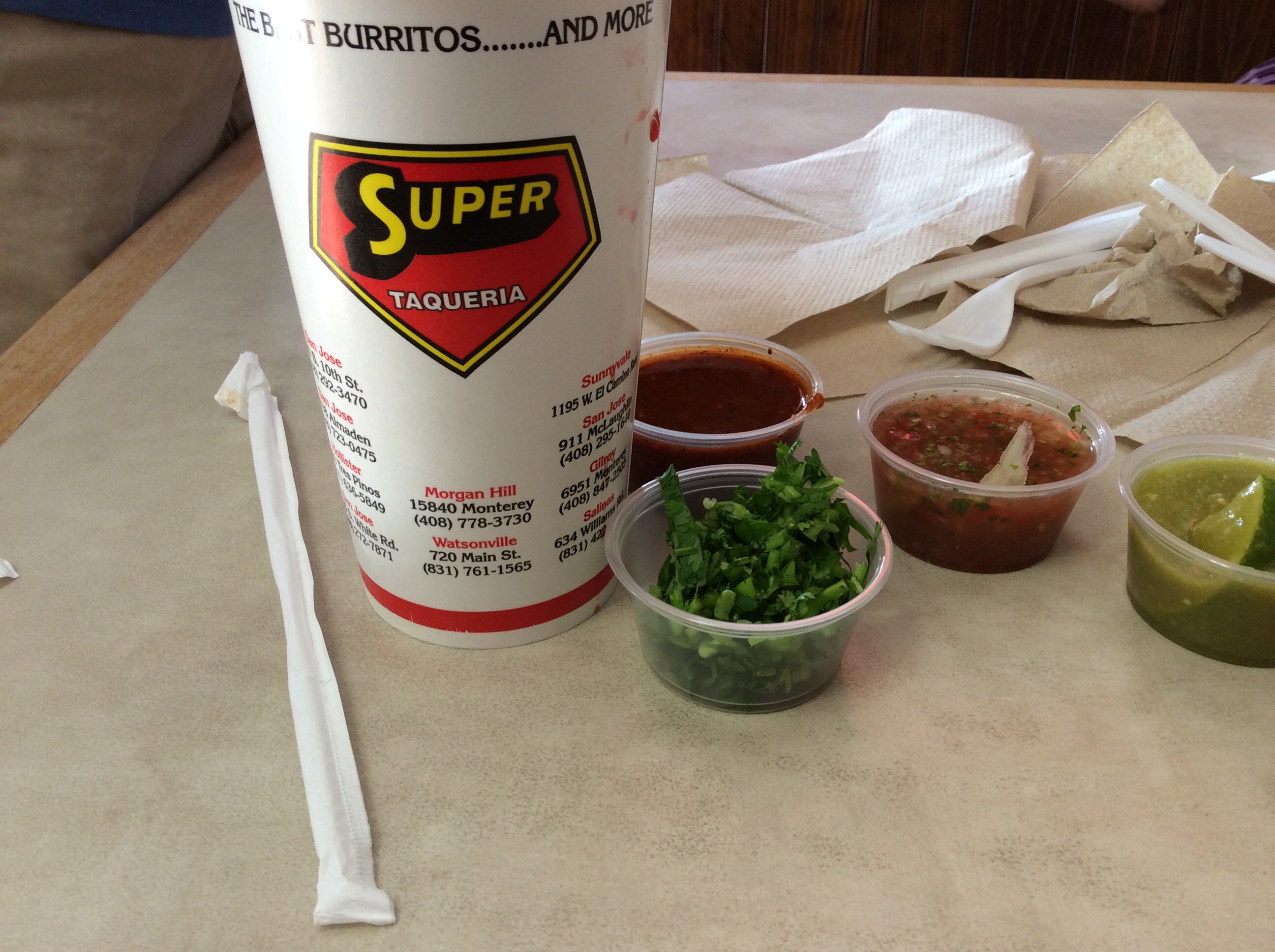
I’m in San Jose, Calif for BlogHer14 and while here I am having full days of networking, learning, and Mexican food. Yes, Mexican food. As an American ExPat living in Victoria, BC, Canada, it is really hard to get good Mexican food consistently. I joke that I miss my family, the weather, and Mexican food. And, on the occasional day in Victoria the order might vary. I should add that I am Latina and I grew up on Mexican food at home. I know Mexican food and it is my favorite–it reminds me of home.

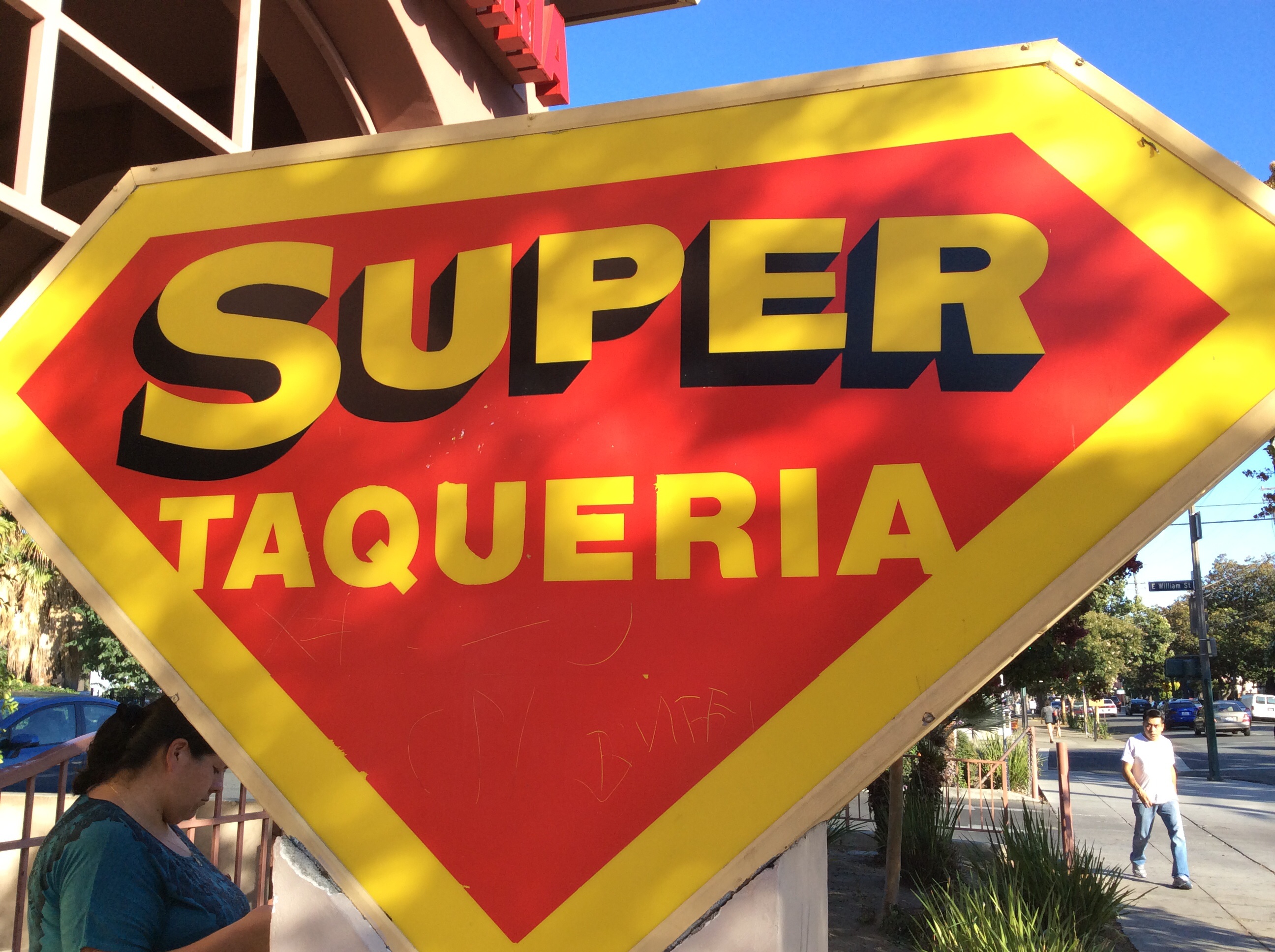
I have been to Mezcal, Mexicali Grill, and Super Taqueria. The photos are from each restaurant in the order noted. I have had a great trip thus far and look forward to more conversation, learning, and Mexican food.
image

image

image

image

image

image

image

image

image

image

image

Blog Her, Blog Her

I am going to a conference for professional development this week. You might have heard of the conference–BlogHer. This year marks its 10th conference. You have to figure that some 11-12 years ago the group of women founders looked around the Silicon Valley and realized that they were doing something unique and needed to network with other women. Voila–BlogHer was born.

Now, BlogHer is a tween and is going strong based on the various other conferences, website, and more. I am happy to attend this year’s conference in my home state, California. And, I am looking forward to learning more and making connections. Lifts coffee cup–to BlogHer.

20140721-073505-27305134.jpg

Mentoring

I am rounding out my two months of Spring Undergrad Advising for the department and thinking about how I help my students. I’ll place these thoughts in bullet form.

  • I want to help them find out how they are doing with the course of their studies
  • I enjoy giving them good advice
  • I offer them advice about their course choices
  • I inform them of any resources we have on campus that they might find useful
  • And, the most important thing–is that I listen

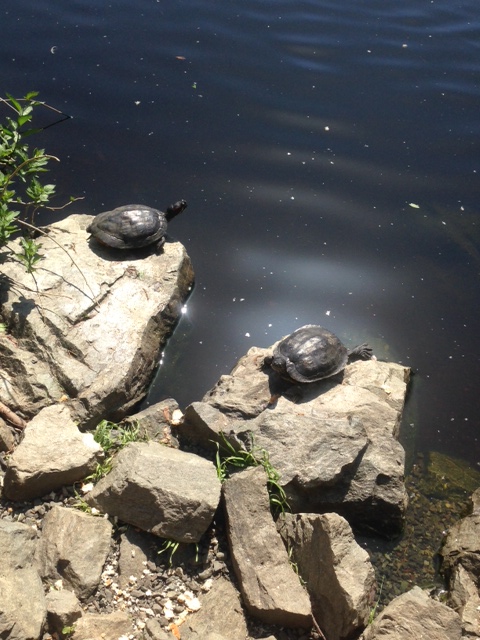
I do prefer to advise face to face; however, more of my advising and mentoring is taking place online via email and on different platforms. For students enrolled where I teach, I can do some of the fact finding via email, but there are moments when a face to face is needed and I point this out and then it is up to them. The photo below is of turtles sunning at Cedar Hill Golf Course trail.


sunturtles

Study Political Science

20140524-085648-32208419.jpg

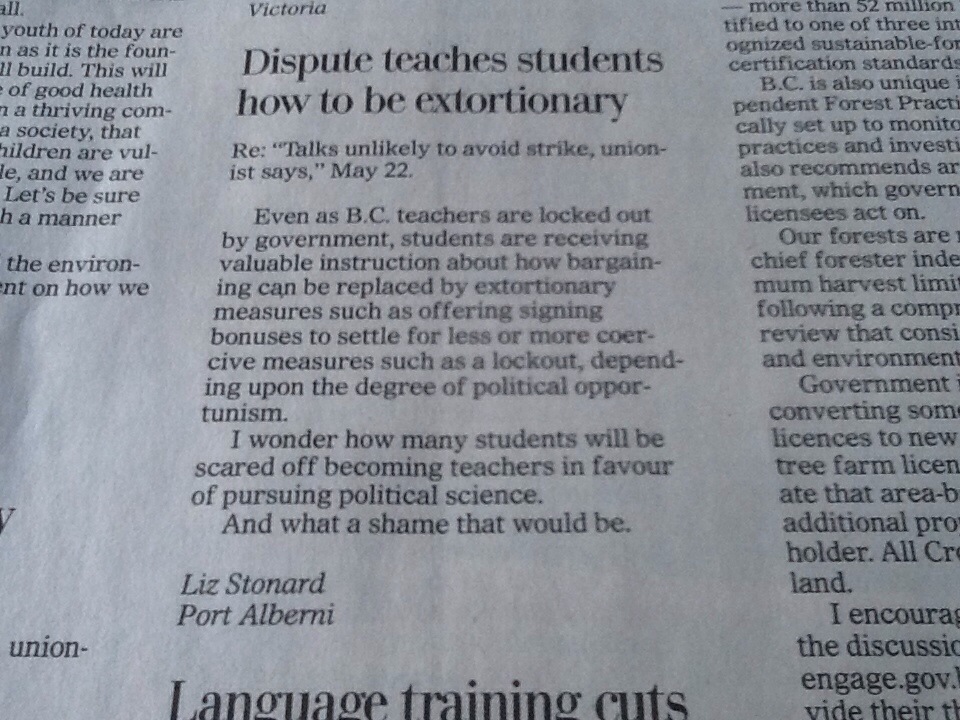
My normal routine is to read the local paper and then one of the national papers. I was on my third cup of coffee and came across the above letter to the editor. I had to smile. I was in a former student’s class earlier this week speaking to the upcoming American mid-term elections and social media in politics. My former student is finishing up his student teaching and had taken courses with me in Political Science. He is one of many former students who has chosen to go into secondary or post-secondary teaching. Many of my former students are also serving in public office or doing other non-partisan work for the government. The letter writer’s binary is a false one and I am sympathetic to her easy comparison; however we cannot assume that all politicians have a Political Science degree.

Over the course of 17 years of teaching my students have gone into virtually every sector of the economy. I am seeing more work in communications and the tech industry lately, but overall, they are everywhere and hold a Political Science degree. And, many of them are double majors or took a minor in another field in order to round out their education or pursue multiple areas of interest. During my next 17 years, I hope to see this continue. When students ask me, “What can I do with my degree?” I answer that they can do almost anything–it’s up to them. The classroom or office hour experience is only one part of their education. My hope is that they will get involved in campus and local opportunities.

Political Science is diverse field with many sub-fields and I am proud to call myself a Political Scientist. I am also proud of my Political Science students. Keep up the good work!

Revisiting Course Experience Evaluations

During the term faculty are required to distribute university approved evaluation forms for students to fill out and these instruments field a wide array of responses. The campus where I work is moving to online evaluations and the reaction is mixed. Regarding student evaluation I have heard lots and have blogged about the evaluation process, but these are the most common responses that I have heard recently.

They are not qualified to judge me

It’s a popularity contest more than anything else

I don’t read them

They’re useful

I read them

I bury them

I learn from them

I don’t like them

The comments will turn into a RMPish experiment

I do not want to engage in the online versus paper evaluations for this post. Much of academic life is filled with judgment. We get assessed by our peers, by our department, reviewers of scholarly presses, others up the academic food chain, and by the government and public if you are at a public institution. Frankly, everyone is always weighing in about higher education.

We judge and assess student work, yet somehow we are uncomfortable with this singular act of student assessment of our course or courses. Why? Well, that is cause for a long post. Let me speak to how I have changed my feelings about them. I think that the official university evaluations are a mixed-bag. They provide feedback. Some of the feedback is useful and other feedback is interesting and at times not helpful. I am sure we have all had this experience with a peer review:
Reviewer 1 provides good feedback and you know that they read your chapter or article. Reviewer 2 has skimmed it and refers to some work that you cited, but the reviewer did not bother to notice this. Reviewer 3 did not read your work and really dislikes the topic and offers nothing that is useful beyond you wishing evil upon this person. . Reviewer 4 refers to his or her work and how this article offers nothing new, but there are a few helpful comments.

Student evaluations can work like this, too. However, the rub is that our departments use these evaluations to measure teaching effectiveness or prowess and at times the numbers and comments do not paint an accurate picture or maybe they do?! Perhaps your students really like you and like your courses and the evaluations offer this assessment. But, maybe your students dislike you or the material and the evaluations convey this. And, that is the problem. We need to assess the larger picture and the evaluations offer one part. This is why peer evaluation is also important. But, do not stop there. If your campus has a learning and teaching center, visit it. Take some workshops and avail yourself of the various opportunities and make sure that you add these workshops to your vitae in the appropriate area.

Teaching requires work and preparation and we have a tough audience. Our students are bombarded with distractions and if they are not interested in the topic I feel like I have to catch them. But, alas, no matter what I do, I will not catch all of them.

What does this mean for student evaluations, then? They are necessary. But, faculty can respond by reviewing them and reflecting. Do you need to mix things up? Is it time to have a trusted colleague do a peer review of your syllabus and lecture? Departments also have to invest in faculty and offer opportunities for professional development and insist that faculty work on their teaching dossier. I am biased here as teaching track faculty, but am resolute in my opinion that teaching takes work. I include a photo of Stress Paul, a rubber stress ball.

20140421-142200.jpg