
Home » Higher Education (Page 7)
Category Archives: Higher Education
Peer Mentoring: Graduate Women Scholars
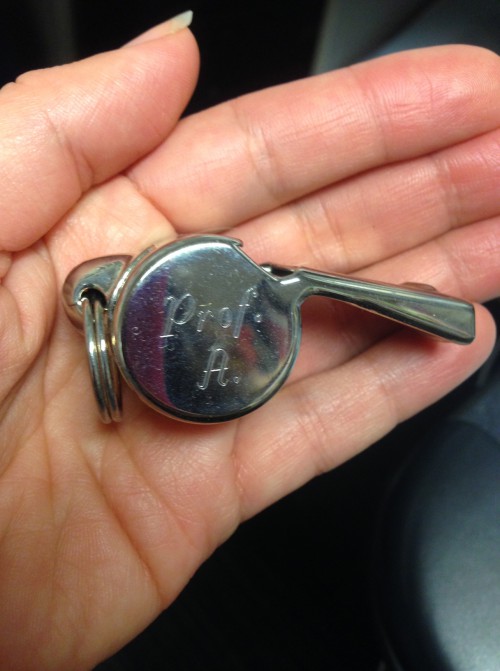
I often tell my students that my mentoring does not have an expiration date. It does not. I benefited from some wonderful mentors and I feel indebted to them. I was lucky enough to have a mentor who had the foresight to organize all the women students who knocked on her door. I won’t get the history right here, but essentially she saw that women students wanted similar things from her. So, she decided to get them all together monthly and the group was borne.
I first started attending the mentoring group when I was an advanced undergraduate and continued throughout most of my graduate degrees (two MAs and the PhD). We would meet monthly and discuss issues like: how to put your curriculum vitae together, how to communicate effectively, how to write an abstract for a conference, how to have balance in your life, and so many other germane topics. What worked so well with the group is that it was a conversation. While the sponsoring faculty member had her degrees and experience to share with us, we also had graduate students at all stages of their education participating in the group. We learned from one another.
The rules were simple—we brought food to share and we made sure that when we left there were no dirty dishes or mess in her house. While there we sat around in a circle on the floor or bit of furniture and introduced ourselves and then the topic. We would take a break to eat and then resume the meeting. Continue reading
2014: Retrospect
I am thinking about the last year and I have more than a few takeaways; however, I want to focus on five. This year was filled with many highlights and I do not want to do the brag or the humble brag.
What was important to me:
1. My family. My family keeps me grounded. I love the texts from different family members: leave work. Where are you? Are you picking me up? This array keeps me focused while I am work and then focused on my time with them. They are also great at reminding me that I need to unplug.
2. Good health for me and my family. No need to explain more here.
3. Learning. This includes my own learning and others around me. I love teaching and each time I walk into the classroom I think about how lucky I am to get paid to think, read, grade, and write for a living.
4. Leadership. Here I am referring to my own leadership on campus, but also the crucial people who I am learning from thanks to their leadership and mentorship.
5. Listening. Listening is such an important skill to have and when I was an undergrad advisor a major part of that job was listening (and helping) students in my office. Leading a service unit on campus means that I must listen lots to the team and those around me.
I look forward to what the next school term holds. I know that my family will remind me to unplug and that I will continue to learn from those around me.

Finish the Term Strong: Redux
This post is all about suggestions for student success. As a former Undergraduate Advisor and an instructor, I am supportive of student success. I have one more week in the term and due date are looming, but I realize that many of my colleagues have one to two more months left. This post will speak to some suggestions for how students can finish the term strong
1. Go to class
2. Read the syllabus
3. Go to office hours
4. Review points one through three
Seriously, I am not kidding about the above as they are extremely important to student success. As I told a group of librarians today, I might as well say that the sky is blue; however, it is key to emphasize the obvious. There are moment when we need reminding about what is the obvious Beyond the absolute obvious, I also suggest that during the last part of the term that students manage their time well. Now is the time to focus on ending on a high note. It is to easy to finish with the best that you can do in that moment, but that will not make you stand out above the others. I encourage you to become a hermit during the last week or two as you write your papers.
What else can you do? You can visit your Writing Center and then ask if your professor is willing to chat about your draft or to review your draft. Please note that most professors will not copy-edit your draft. Please remember that your professor may have 30-400 students that term, so don’t be too hard on your professor if they are only willing to chat about your paper. If you have a Teaching Assistant, by all means go to her or his office hours. Own your education. Take charge and act like you care. Acting like you care about your education and success really does count for something.
My last words of guidance are about reading the assignments and following directions. I am always surprised and frustrated by the number of students who do not read the syllabus and think that this is not important. A student approached me recently saying, “This is a 12 point font.” I responded, “Yes, it is but it is not Times New Roman 12 and is a huge font. Please review my syllabus.” Following directions is the first part of an assignment and reflect attention to detail. Good luck with the last few weeks and your papers and final!
Graduation is a mere two months away and I can’t wait to sit on the stage and witness this momentous event. Until then, I send positive energy to my students as they wind down. Finish the term well!

Thinking More about Evaluating Student Work
This is timely for me, as I have been marking lots. The first part of any assignment is to read the syllabus or perhaps to read the assignment. Right?
My blog post on Equality 101 about Student Evaluation got me thinking about grading this past weekend. I was in the midst of marking quizzes for Gender and International Relations and had just marked more than one dozen papers for The Worlds of Politics. One of the things that I was first struck with for the latter class was how some students refuse to read the assignment directions. This term I also provided a paper checklist, which I borrowed from one of my Teaching Assistants.
Some students attached the checklist and checked off the points that they had followed, but then left other requirements blank or unchecked. This baffles me. If an assignment states that you must cite 5 sources; why cite 3? I dedicated an entire class period to this large paper assignment, made my lecture available as a podcast, and posted my PowerPoint presentation on Moodle, for the students’ review. I also sent a few Moodle (CourseSpaces) messages to the class reminding them about the assignment. Even by doing this, though, I know better than to be too surprised when I start marking. I have done my part. My point here~ follow directions!
Thinking of the upper division course, Gender and International Relations, I was also noticing a pattern of merely restating the question and reviewing the material, but not offering any analysis. I did something different this term in the class and I did not require student attendance. I did not take roll and now into Week 11 of the 13 week term, I realize that I will not do this again. Several students are not coming to class and I think that they would have been persuaded to do so if class attendance influenced their course grade.
What I am getting at here–there is a correlation between attendance and overall course grade for some students. Come to class!
Reactions to Working
As a parent you learn lots from your kids, and I had one of those moments a few days ago. My teenage daughter is in her second year of working. We were are on our way to an event and she noted that she was not looking forward to seeing some people. Why? Apparently the fact that she is working, is an issue to some of her friends and other parents. The reactions vary from not understanding why she would bother to work, why she chooses to work, how could her parents allow her to work, and curiosity and support for her work. Unfortunately, the last response is less common.
I was surprised. We chatted about the ways that she responds to these comments and I dropped her off at the event. I drove away thinking about how I started working the day that I turned 16 and how I have not stopped. Is it really odd that she’s working? Nope. I was chatting with our family doctor and his daughter is the same age and is also working. And, I have chatted with other parents who have kids in high school and their kids are working, too. When I have chatted with other parents we talk about how our kids are learning life skills–dealing with people, coaching younger kids, organizing workouts, and getting familiar with work and life balance.
When I was walking around campus the yesterday I was thinking about this conversation with my daughter and I also thought about the countless office hours that I have had with students who have an empty or virtually empty resume. Yes, I am relating this moment that I had with my daughter to my work as a mentor and college instructor. I think it is important that young people are giving ample opportunity to work and develop their resumes. Work opportunities provides a chance to mature, learn time management, and make money. I also think that working offers you a chance for maturity and resiliency.

A New Term: The Promise
It is week 2 of 13 at work and it is filled with new faces, new courses, and lots of promise. I did something a little different last week during one of my lectures. I spent a good chunk talking about my expectations, good habits, things to avoid, and reminded my students to get involved. These points speak to the Fall term at university. I want big things for this term.
The reminder is also important for me. I am in my 17th year of teaching and this means that I am comfortable with my job. Comfort is great and has some pitfalls. I must remember that this new environment is filled with its own jargon and the new students are just figuring out the place–let alone my expectations on the first or second day. As I walked to the lecture hall last week, I had that bounce in my step and I was excited. It was great to see the new group. Welcome to campus, and welcome to my classroom. I know that this particular class is different, as it is team taught.
When I walk into the classroom, I think about my job and how important it is for the students. It is privilege to have an important part in their education. But, as I told them, they need to show up. They need to own their education. I am looking forward to this term. And, I really hope that my students are, too. I’m raising my coffee to my students. Rock this term!
How Do You Answer?
I have read Lean In and have blogged about it previously. At BlogHer13 I heard Sheryl Sandberg speak and got to meet her and take a quick photo. I also have read the updated book for college grads. And, I’m a lapsed member of the Lean In movement and circles (Education). At this year’s BlogHer14 in San Jose, California, I attended the Lean In circle workshop.
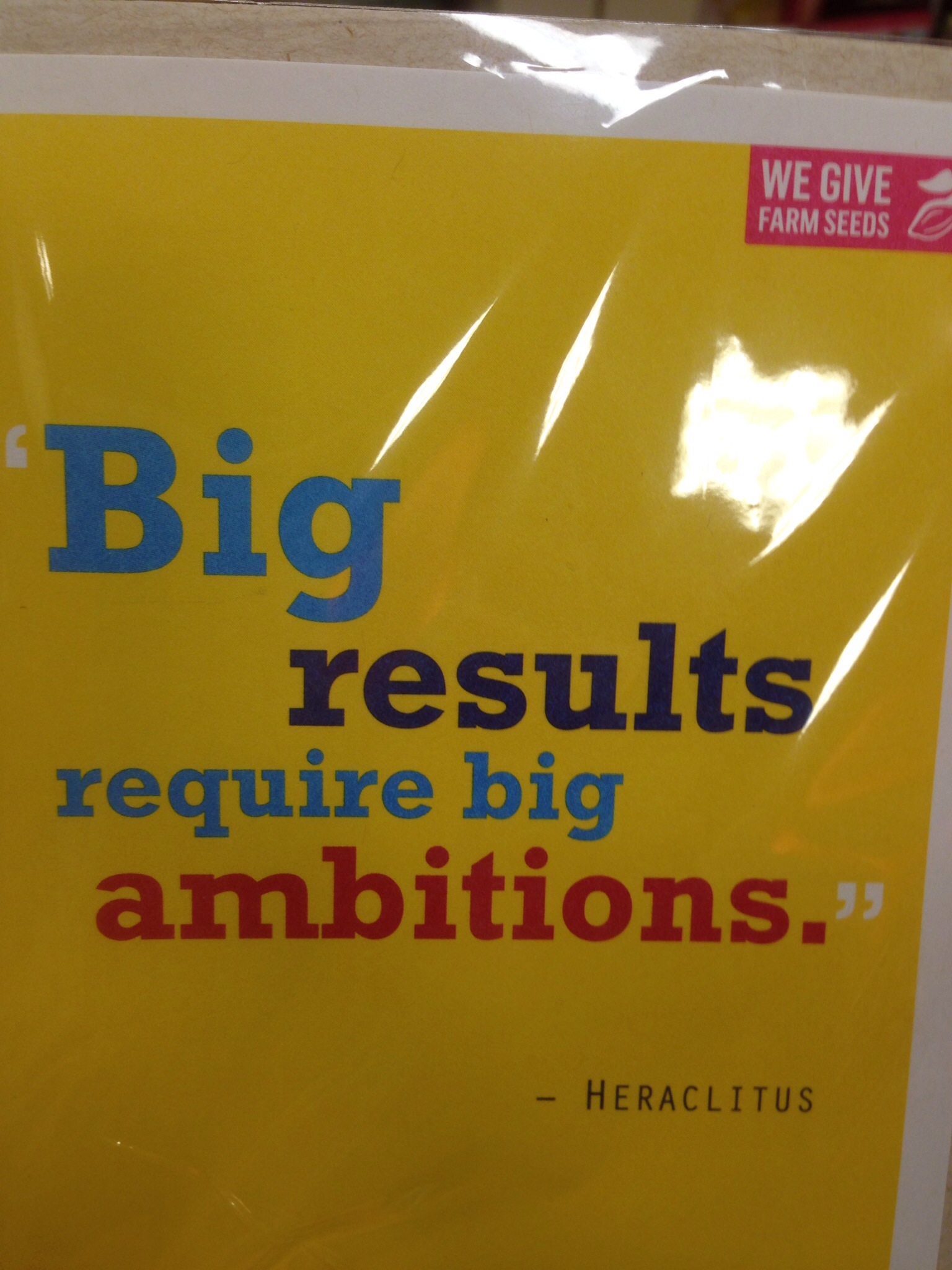
I am looking at the great cards that Dr. Carole Robin did with Lean In. I saw the question, smiled and immediately pictured a few things: my loveys and coffee. I was chagrined that I saw his face, and my two daughters’ faces, then pictured coffee. The question is not as simple as it looks. What brings out the best in you?
My immediate answer was personal. My family and my home brings out my best. When I think of extending that circle some, I can answer that question with my family of origin, my good friends, colleagues, the warm sun on my skin, my students, a great meal, and a strong Dark and Stormy. There are different nuances to the question and answer that you might give.
When I am teaching, a great class can bring out my best. I try to give my A game to my students, but a strong group of students who like the material can make a big difference with the class. Likewise, when I sit on a committee and other are committed to the agenda and the execution of the final product, the committee work moves more smoothly.
My Loveys bring out my best. My friends bring out my best. My work brings out my best.

Mentoring
I am rounding out my two months of Spring Undergrad Advising for the department and thinking about how I help my students. I’ll place these thoughts in bullet form.
- I want to help them find out how they are doing with the course of their studies
- I enjoy giving them good advice
- I offer them advice about their course choices
- I inform them of any resources we have on campus that they might find useful
- And, the most important thing–is that I listen
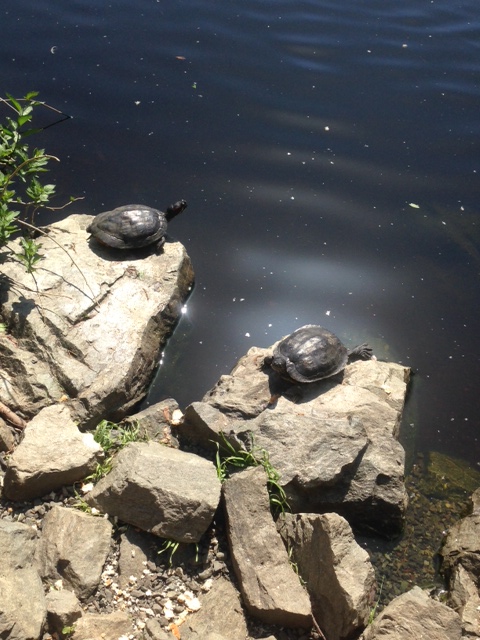
I do prefer to advise face to face; however, more of my advising and mentoring is taking place online via email and on different platforms. For students enrolled where I teach, I can do some of the fact finding via email, but there are moments when a face to face is needed and I point this out and then it is up to them. The photo below is of turtles sunning at Cedar Hill Golf Course trail.
Study Political Science
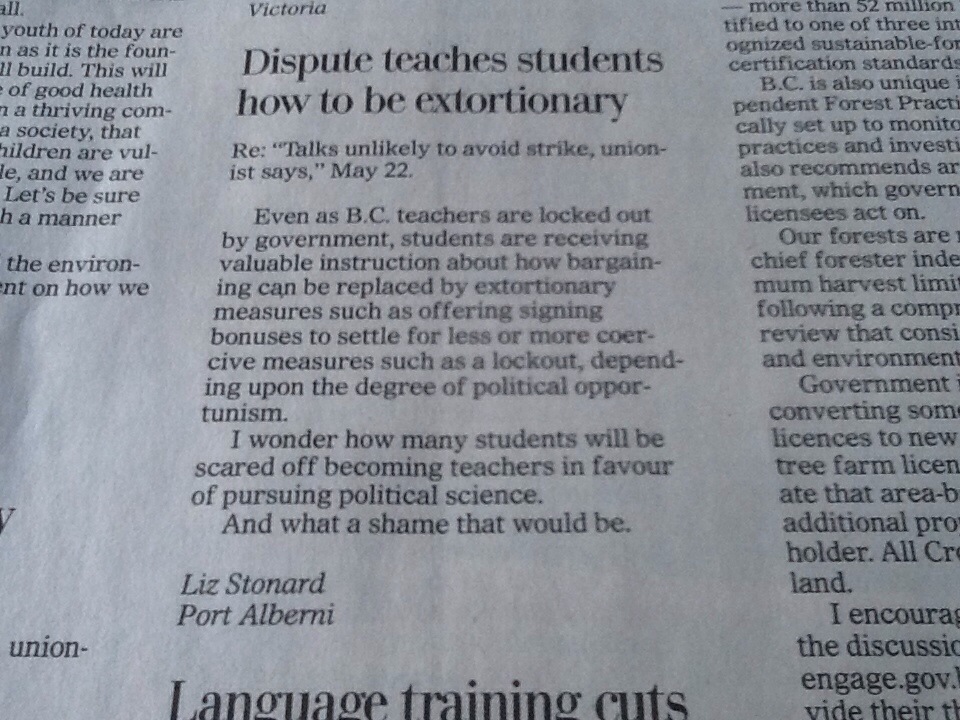
My normal routine is to read the local paper and then one of the national papers. I was on my third cup of coffee and came across the above letter to the editor. I had to smile. I was in a former student’s class earlier this week speaking to the upcoming American mid-term elections and social media in politics. My former student is finishing up his student teaching and had taken courses with me in Political Science. He is one of many former students who has chosen to go into secondary or post-secondary teaching. Many of my former students are also serving in public office or doing other non-partisan work for the government. The letter writer’s binary is a false one and I am sympathetic to her easy comparison; however we cannot assume that all politicians have a Political Science degree.
Over the course of 17 years of teaching my students have gone into virtually every sector of the economy. I am seeing more work in communications and the tech industry lately, but overall, they are everywhere and hold a Political Science degree. And, many of them are double majors or took a minor in another field in order to round out their education or pursue multiple areas of interest. During my next 17 years, I hope to see this continue. When students ask me, “What can I do with my degree?” I answer that they can do almost anything–it’s up to them. The classroom or office hour experience is only one part of their education. My hope is that they will get involved in campus and local opportunities.
Political Science is diverse field with many sub-fields and I am proud to call myself a Political Scientist. I am also proud of my Political Science students. Keep up the good work!
 Dr. Janni Aragon