Advising: #AcAdv

It’s just about that time of year when current students begin to think about their courses for the next year. The thoughts vary from what should I take to what do I want to take. But, for some of the students the backdrop is what can I take to help me more employable. Yes, cue sighs from educators who do not want students to focus solely on employment, but perhaps on the love of learning.

One of the things that I’d like to remind most academic advisor is when you were an undergrad surely you heard from your friends and family–that’s a great program to study and eventually get a job. Alternatively, you might have been like me and fielded odd looks or even condescending comments that  said, “What are you going to do with that?” (I have my BA in Women’s Studies and a minor in Political Science). I do think that many have always looked at a university degree as something that can open the door to a career.

What has heightened this is that more students are also feeling this way that their college education is really meant to help them find a career. This is the reality of higher education today and I’m not going to argue against this point of view. But, I will say that as an undergraduate advisor I am going to try to help each student in my office to the best of my ability. Some students want the practical advice about getting work experience or making sure that each class gets them closer to their next goal. Then, there are other students who treat their education differently and are trying to find their niche or area of interest. And, yet another group of students are convinced that they will work for the UN or become lawyers. I offer these generalizations as examples of some of the student population and know that this is not an exhaustive list of the various student demographics.

These last two weeks and most likely next two months will mean more career counseling and helping students plan out their next school year. I will continue to ask, “What do you want to do.” This simple question helps, scares, and starts important conversations.

Email ~ Fri Fun Facts

As an  Undergraduate Advisor I work closely with many students and add to this the students enrolled in my classes, graduate students, work study students, colleagues and friends and family. Like most academics I am swimming in email. The vast majority of the email is important–important to the sender and at times the recipient. From casual hallway conversations and over coffee, though, I hear a common lament: netiquette issues.

Today’s Fri Fun Facts is about Netiquette.

1. Treat emails with the same integrity that you wold treat an office hour visit or phone call. Use a salutation like Dear Prof/Dr/Mr/Ms, etc. This will vary for colleagues, friends, and family, but students should be in the habit of treating the email more formally.

2. Just because you have a smart phone it doesn’t mean that the email must be sent right now from your phone! If you have to get it out, email yourself and then review the email later on your other device. So many harried, incomplete emails are often sent via the phone, and your email query is important.

3. If the email is about a mark, be prepared for your professor to say: come see me in office hours. Important conversations requires a face to face meeting.

4. Never send an email when you’re mad. Never do it. Send it to yourself and sleep on it. Once you send an email it’s out there–it’s not necessarily private.

5. If you are sending your boss or your professor emails via your smart phone–note the spell checker function and avoid abbreviations. Treat the message like a regular email conversation.

Sexism in Golf: Grass is Green

I don’t usually read Golf Digest but this last issue included a few articles related to sexism within the golf world. The first article was “Woman Undercover” by Peter Finch. In this article, professional golfer, Kim Hall, played golf at five different courses assuming a different persona: the stay at home mom, the golf newbie, the pretty golf newbie, the jock, and the LPGA Tour player. She played the golf course according to her role and the anecdotal observations demonstrates that sexism is pervasive on the links. (Is that what they call it? I’ve never golfed before, so who knows.)

I’ve always thought of golf as a patrician sport. To me, golf is a sport that is mostly male and upper class, as it is expensive to play and it is where lots of men (and some women) do business. I read the article with particular interest, as it was suggested to me by the golfer in my household. I opened up the magazine with an open mind considering that he often refers to many a Men’s Health article to me for review.

When I read that the Hall “mom” character shared that she was a mom and was summarily ignored for the rest of the game, I was not too surprised. Western society often does this to mothers—they are boring and have nothing to add. I recall being a new mother and taking time off from my dissertation and seeing people’s eye glaze over, when I shared that I was a new mom. Hall was “just” a mom and the small talk did not take place—she was invisible. Not surprisingly the persona that fielded the most attention and deference was the pretty persona—including red lipstick and more alluring outfit. It was interesting to read how the people she was paired with would leave without her…they didn’t wait! Each of the characters she portrayed was treated with some dismissal though, until Hall played her true game, then the male golfers that she was paired with paid attention. They denied that they had tried to lose her by starting without her, but I think they had “misremembered.”

Hall had a good taste of the way in which she was immediately judged by men based on her dress and golf game. Again, this study was not scientific, but we can certainly draw something from it. I read each anecdotal experience with great interest. And, you would have to live on an island to not know that golf is not a sport that has lots of gender parity and diversity among the golfers. We can thank Babe for opening golf to more women, but that is a different post!

One of the next articles is a short one by Stina Sternberg “Avid Women Golfers Speak Out,” where some statistics are offered about the ways in which women golfers perceive the ways in which they are treated on the golf course. The questions vary from how strangers treat them, when they are paired for a game to how often they garner unsolicited golfing advice by men.

The March 2012 issue was certainly interesting, but I don’t see myself taking up golf anytime soon. But, to students who are thinking of going into business, government or the non-profit sector, lots of people golf, so you might want to take some lessons.

Mentoring Grad Students: A Revisit

I was looking at my blog posts and see that this one from not quite two years ago is timely. I have taken the liberty of revising the post.

I have been having more conversations with graduate students about life after graduate school. Not all of them are interested in the traditional career path in academe. Can you blame them? The job market for full-time work in higher education is dismal. There is lots of work for contingent (part-time) faculty, but that doesn’t really provide a stable income. I know this well, as for most of my academic career, thus far, I worked part-time. Sometimes this work was between three different departments and most seasoned graduate students know this.

I do think that we need to be more responsible with our mentoring of graduate students and part of this includes not suggesting graduate school as a viable option to some students. There, I said it. Graduate school is not for everyone; however, some will figure this out on their own. I am referring more so to being honest about the psychic and financial instability of graduate school. Lately, I am seeing more undergraduates entertain what they are referring to more “practical” programs like advanced degrees in Public Administration and even a few are entertaining MBA programs. I think this is a good thing–let them branch out into different degree programs. An advanced degree in Political Science is useful, but it is not the only option.

I have been pleased to see an ongoing thread on Twitter under the hashtag #NewPhD. These short conversations are interrogating degree programs and what we think needs to change. These are important conversations. We also need to provide more support to graduate students. This includes support for when they need more help. And, this includes protecting them from yes-itis. You can say yes to too many project or overall commitments and then not give any of them the full effort they require.

We need to be more honest with our graduate students and make sure that our institutions offers different types of job training or workshops. And, if the student does want to go into higher education, we need to do a better job of training them to work with students. This can be tedious, but meeting one on one with the students is really worth the time. This is part of an ongoing train of thought for me. Graduate students also have to willingly want to learn and realize that professional development is important. This is the best case scenario–where their institution offers workshops and they have good mentors. We all have stories where things went awry. But, let’s try to make it better for the current cohort of students.

Seminar: Fri Fun Facts

My Fri Fun Facts offers some suggestions for an undergraduate seminar. The department that I am affiliated with instituted a seminar requirement a few years ago. In this time I have noticed that interest in the seminar varies, but one thing is common for many students: anxiety about the seminar experience. I offer some helpful hints..

1. Come to class prepared with one question (or more) that you can offer the class. You need to participate and this thoughtful question can engage you in the discussion.

2. Come to class with one comment to add or share to the discussion in the seminar. The goal is that eventually you won’t have to prepare with your comments and that you will automatically participate.

3. Talk or email the instructor if you have any anxiety about participation and maybe work  out a plan with the professor. You might ask her/him to call on you if you haven’t particpated.

4. Your query or comment is probably not dumb.

5. Stop thinking that everyone else knows more than you do. A few might, but everyone else is not more knowledgeable. They might be faking it!

Hopefully these five points will get you thinking and int he mood to participate more in your seminar!

Academics on Academia: Supportive Networks

I sat on Liana’s last post thinking about how important support networks were to me during the various phases of my academic career thus far: undergraduate, new graduate student in Liberal Arts, new graduate student in Political Science, ABD in Political Science, Adjunct, Sessional, and now tenure-track faculty. Support networks never go out of style. They serve an important role helping the academic traverse through the morass of academia. There are multiple reasons why we have legions of ABDs. One major reason, in my opinion, is the lack of supportive networks or people in the student’s life. This includes personal life and professional life.

It’s important to remember that we need camaraderie, mentorship, and support. I have previously shared how lucky I was to be a member of a woman’s academic support group. This group made me realize that I would have to find support networks in Political Science. And, like Liana previously blogged, I had to get outside of my comfort zone and network. This meant attending conferences (debt) and making connections. Then, at the next conference people recognized me and things and I became part of the academic community.

You can’t snap your fingers and have a network of people who are your academic posse. You have to cultivate it and I would argue that you have to have multiple networks to keep sane in this game. There is so much competition and you are rife to have moments of self-doubt, you networks will keep you grounded and focused. Likewise, you need to have supportive networks outside of academe. Gasp. This means you need to try to have a rounded laugh. Oh, stop laughing or smirking. It’s true. You need to take time for yourself, too. This seems antithetical to academe, but it’s important to take care of you!

How do you find the seedlings for supportive networks? One place is via social media. You might find that the professional organization related to your field(s) is the first place to start, but don’t stop there. Look on Facebook, Twitter, Linked In and blogs, too. Don’t think that the conferences are the only place to connect with like minded people in your field. See if you can make some early connections via social media sites and then meet up IRL at the conferences. The time investment in meeting people is worth it. Academic communities are incestuous at times and everyone in your discipline knows someone else. This can work to your favor when you’re applying for scholarships, post-docs, and jobs. It can also work to your disadvantage if you’ve been foolish or have burned a bridge via bad behaviour. So, always be professional and collegial.

When you’re at the conferences, business meetings for the sections or groups that you’re interested are worth attending. This is if they are open to the general membership. Find a friendly face and sit near them or hover and listen and learn. You have to make the effort to reach out and hopefully someone will see this and connect with you. Good luck as you look for supportive networks and as you build them, too.

Fri Fun Facts: Reading

Today’s Fri Fun Facts is dedicated to one of my favorite habits–reading. How do you organize your reading for efficiency? For students and other academics this is a constant concern. We are always juggling several articles/books.

1. I balance this via setting up time to work on particular assignments. I might dedicate half the day or just an hour, but this keeps me on top of my reading list.

2. I have books, articles, or magazines in several locations and will juggle them accordingly.

3. Mix it up! I am not always reading just work related reading. I will mix it up and add fun reading, too.

4. Don’t cram. This is not the best way to allow your ideas to form and as I say, “marinate.” You want to have some time to think about what you’re reading–so keep abreast of the reading.

Decompress with fun reading. This might vary for you. I have all sorts of genre that I read for fun–mystery, cop thrillers, young adult literature.

Grad Schol Applications: Revist

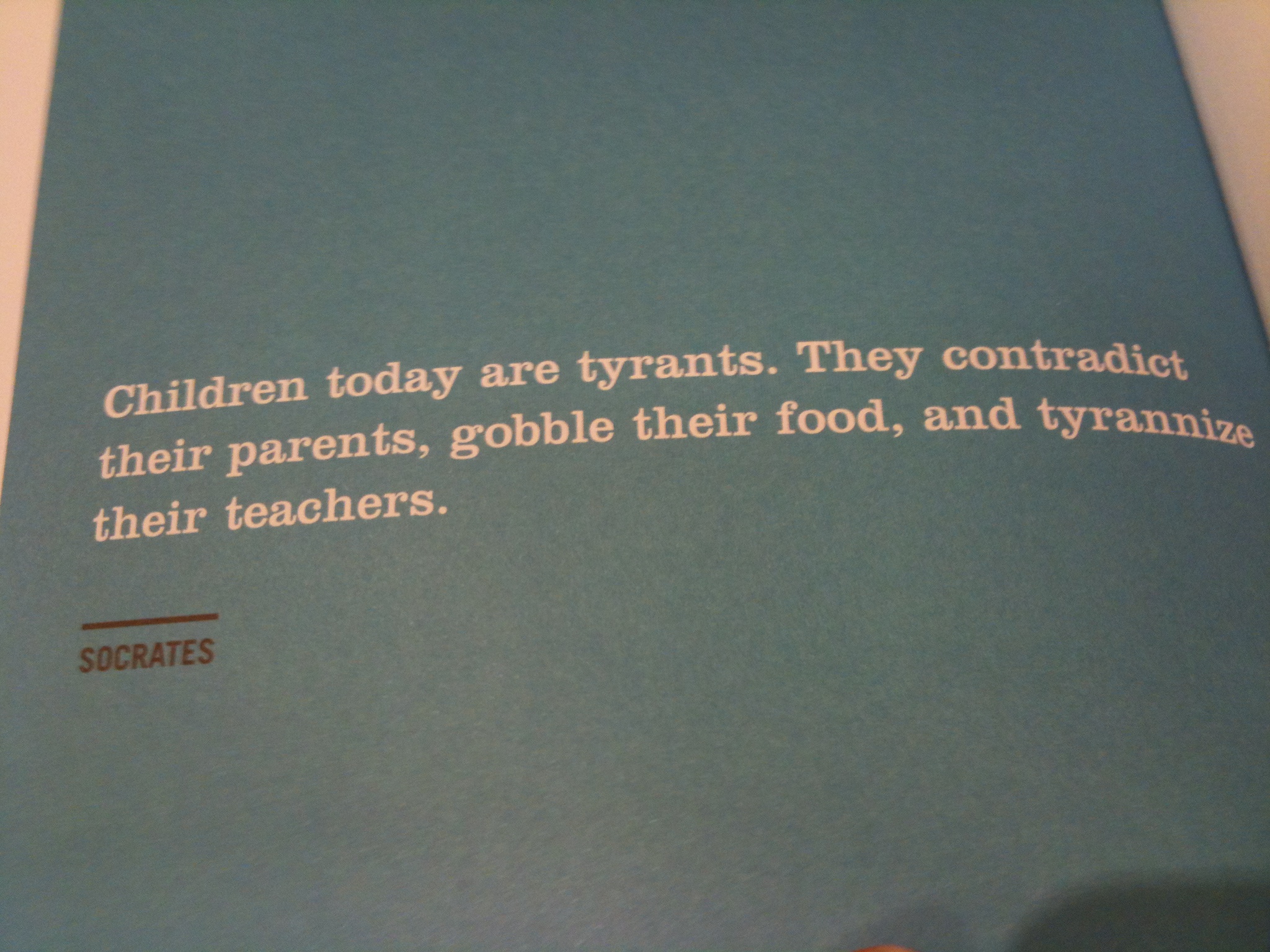
Yes, it is that time of year, when professors are writing students letters of reference for graduate school. Thus, it’s worth my re-post of this Oct 2010 post with some additional comments. Just a few words of advice to students: Be organized. Don’t be a tyrant! My experience is that 99.9% of students are earnest and really want the help. What happens is that poor time management adds stress to an already stressful endeavor.  So, this photo is shared with lots of smiles. And, I realize that college students are not children. The quote was one that made me smile. That is all.

1. Ask professors weeks before the letters are due. And, please don’t be offended if we decline.

2. Provide us all the information we need. Where is the letter going? When is it due? Do we need to complete an applicant assessment form? Can we upload the letter online? Please fill out any forms and try to avoid asking the letter writer to do so (your name and SIN or SSN info)

I ask for a copy of your letter of intent and cv/resume. I might even meet with you and ask what your motivation is for continuing your education.

3. Remind us. Send an email a few days before a due date.

4. Thank us. This can be an email or a note. It’s not necessary to do more. Remember that your tenure line faculty actually get paid to mentor and do things like write letters. Keep in mind that part-time faculty do not get compensated for this extra work. Remember to thank them profusely–a card, bottle of wine or a face to face thank you is nice.

5. Remember that your organization makes this process easier. You will fill less anxiety and provide your reference writer ample time and information.

6. Keep us informed with the good news or what your Plan B or Plan C is.

Good luck with this process!

Fri Fun Facts: Happy New Year

Today’s Friday Fun Facts is dedicated to something that I’ve said before–advice to undergrads for a successful term. I have to repeat it because each time more of you hear it! No, in all serious these points work for all of us.

1. Sleep. Sleep right! You are better able to deal with the day if you’ve had a good night’s sleep.

2. Eat. Eat right! Refer to the previous point and add eat and you get the point. You need the fuel to run efficiently–to run coherently.

3. Exercise. I love seeing my friends or students at the gym. It’s important to take care of yourself. And, you’ll find that you’re able to get some thinking done, when you’re at the gym.

4. Office hours. Office hours are not only the place to clarify points about a reading or an assignment, but also to chat about how you’re doing in the class. Remember that your instructor might be teaching 50 or 300 other students and one way to get them to know you is to be a great student and/or also be memorable (in a good way). Office hours is a useful time to have one on one interaction with your instructor.

5. Time Management. Keep up with the reading and work in your classes and you’ll have a less stressful term. Seriously.

All of the above will work for me, and I’m not a student anymore. The advice will also work well for those of you not in academe. To everyone, I wish you a successful January through April. Now, I only have to remember to follow my advice!

Job Application Season in Academe

I’ve served on numerous hiring committees over the last 14 years. Many times as the graduate student representative and now a handful of times as a professor myself. I’ve come to the realization that I have had exceptional mentors. People who always offered to assist me with my file, my interview, and the entire job process. I can see that many committees and mentors are failing their students and not offering enough supervision so that their mentees are sending out the strongest files that they could. Perhaps the applicant is not listening to the advice, but I find that harder to believe.

I have reviewed numerous job applications…not only the academic, but also the administrative staff applications and one of the easy things for fixing–read the job application. Many people seem to not read the job application closely and this influences the file. These are the applications that go in the “no” file immediately.

Specific to academic files for tenure-track jobs not reading the job application is a major flaw. But given the academic job climate people are throwing their files into the ring in hope that people will take notice. There are few jobs! So some applicants are applying for them all, but be careful here. You don’t want to misrepresent your work or your research agenda for a job that calls for a comparativist and your heart is really in political theory. Regardless, it’s important to submit the best file ever. If the application calls for a CV–submit one. If the application calls for a research statement and teaching statement-submit them.

Let’s break this down, though. What does a research statement mean? What are you working on and where do you see your research going in the next five to ten years? What is the next project? And, the next one after that. What is the guiding theme with your research projects? Why are you engaged in this research? You want to explain all of this in such a way that it is clear that you know what you’re doing and have thought considerably about where you are in the field. Likewise, this also afford you the opportunity to speak to grants or awards. I imagine that it varies by field, but I do know that listing the amount of the award is instructive.

The teaching statements is probably harder to write, since anyone who has sat on one committee can explain that the teaching statements will not vary too much in content. You enjoy teaching, want the students to feel safe, use innovative techniques or technology in the classroom, you are open to learning, and have good teaching evaluations. OK, I just ran through that rather quickly, but the teaching statements are often quite similar by most. Where they vary–is the strong writing and the people who have spent more time polishing the teaching statement so that it really reflects some depth. If you have only taught once or a few times–be honest about that. There is nothing worse in my opinion than someone who has taught once and attempts to put together this full dossier based on that one time.

You should have trusted people proof-read your cover letter, statements, and run through the interview questions (if they bother to provide them). If the campus does not provide the questions, your mentors or friends will be familiar with some of the standard questions. They vary, but will include: which classes are you willing/able to teach at the undergraduate/graduate level? What class in your area are you looking forward to teach? How do you mentor/supervise students? Where do you see your research going in five years? Are you prepared to do service? (This might not get asked). But, you see where I am going here.

Things to avoid: If the call asks for hard copies, send hard copies. If there is a deadline, meet the deadline. Many departments will place a sticker or handwritten note on late files. Do not send in a folder or binder, as the file might need to be photocopied and this makes it harder for the staff. If you must submit it in a binder, do so with a three-ring binder and not one of those inexpensive clip binders, as they cut off the first 1.5 inches of the left margin and are a pain.

And, this might sound harsh, but the committee or the staff will not take the time to contact people who are not short-listed. So, please do not expect an email or note in the mail. Some calls for applications will field upwards of 300 applications and there is just no time to contact people. Even if the call fields less than 50 applicants, people will not get contacted unless they are invited for an interview. And, if you don’t get invited–it’s not always about you. It could be about the committee or what the department really wants.

This is a quick, run-down if you will of my primer on the job application process. I will blog more about this, as the topic deserves a fulsome discussion. It’s also important that I add that this post in now way reflects my employer. I am pulling together many hiring committee experiences here and not from one campus, but from three.