Thinking about Learning Spaces

Almost one year ago, I attended the National Forum on Active Learning Classroom conference held at the University of Minnesota in Minneapolis. It was a truly amazing conference! Between the Society for College and University Planning and this conference, my head is going to explode with all the great information that I heard. The good news is that I feel validated. Validated for my teaching style and the disruption that I cause in the classroom and with my educational technology use.

I understand from my friends and colleagues in many departments that their classroom is everywhere. They teach online and I tend to veer toward a blended or flexible format. I might have two sessions of lecture/discussion style, lab time or online/group learning time. The reality is that learning spaces exist in and outside of the traditional classroom and we need to make sure that we are supportive of the variety of teaching modalities. Likewise, our students are used to making virtually any space a learning space and we need to remember this as we plan space on campus.

One little takeaway was the artful way that the facilities office has suggested that students clean up after themselves. This is the way to encourage students and does not rant or nag at them, which they dislike. And, I cannot blame that. Many colleges are moving to recycling centers outside of classrooms to encourage sorting your garbage and recycling. I took lots of photos at the conference and there are some other great posters in the rooms. 
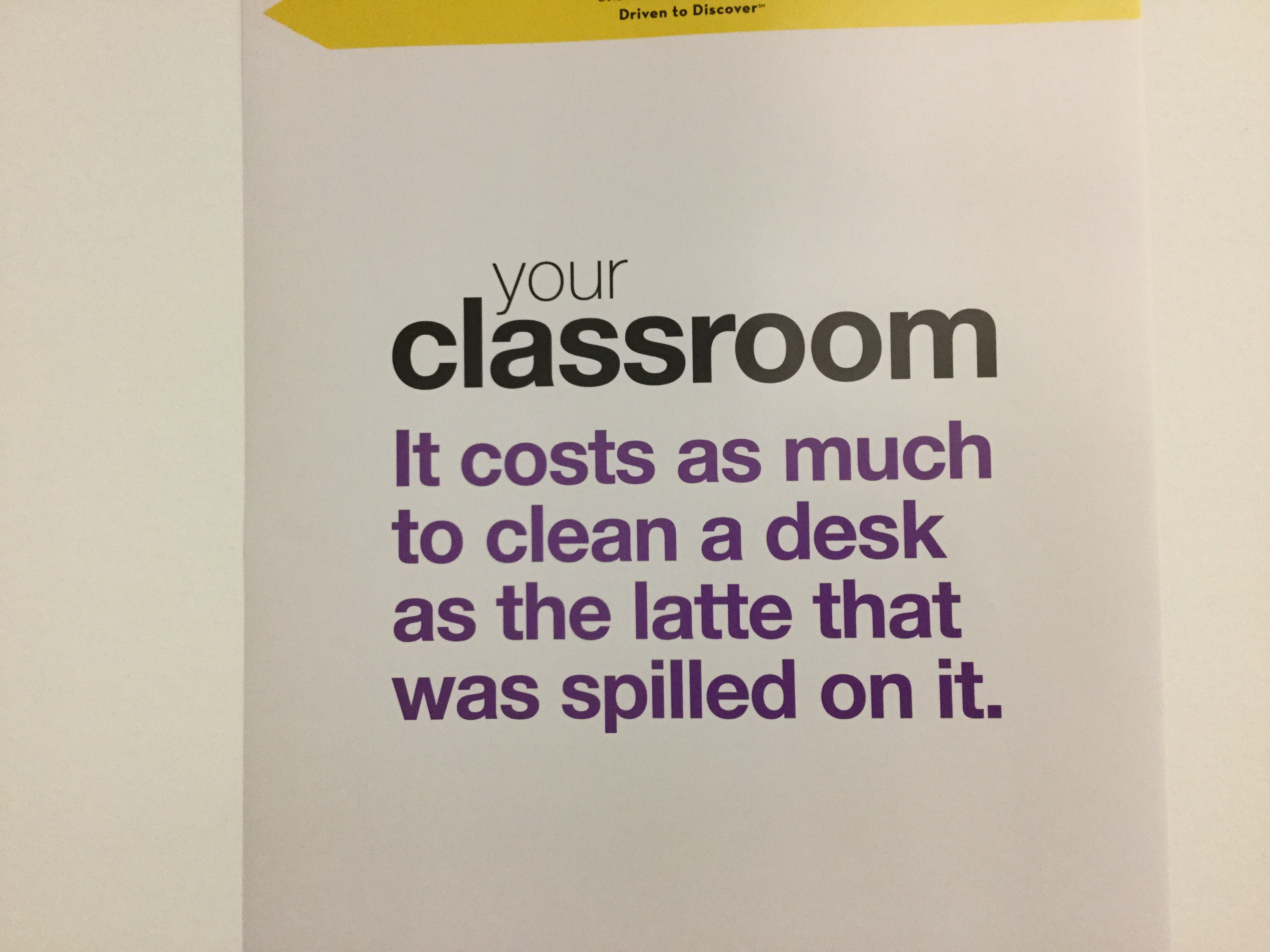
 

U of MN classroom

The conference was small with about 250 attendees and the group was mixed in terms of facilities staff, administrators, and faculty.  However, based on my interactions, it seemed like there were more faculty at this conference. The faculty shared a common interest–dedication to teaching and learning. It is refreshing to interact with large groups of people dedicated to teaching and learning. We talked lots about flipping the classroom and the importance of active learning spaces. The photos below are from the conference sessions. All of the sessions were held in active learning spaces. I have more to say, and this is just one post. Look for more about this topic, and I have more below the photos!

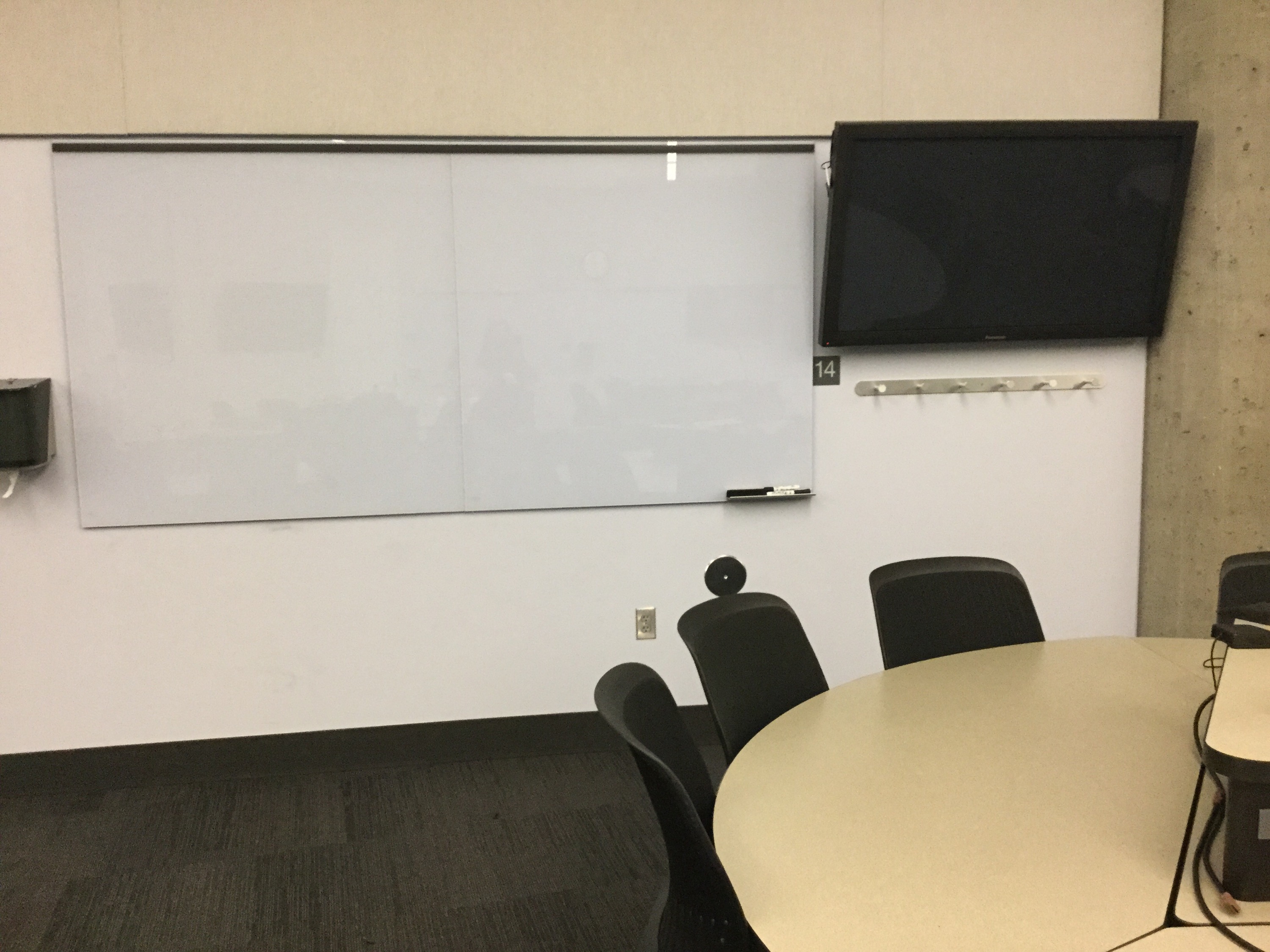
  

A year later I can say that I have learned lots about learning spaces that are planned and found. The first thing is that students will help you “break” a classroom in ways that you may not have thought of during the planning. For instance, we have writable wall space, but did not make every last inch writable. Guess what? Some creative students assumed that every last inch was writable. Yup. If some of the space is writable, you need to make it all writable or have those fancy stickers or posters on the wall noting it’s writable space.

Another thing that I have learned is that a flexible classroom space will not work for every instructor. I fielded requests for four different lecterns. The rooms had one lectern, but there are “favorite” types of lecterns. In short, once a space is remodeled you must expect a year or two of testing, breaking, and consultations in order to assess what worked well or what needs improvement. Overall, working on a committee that is trying to make the face to face classroom space better is a rewarding work.

Energy Focus

It’s that time of the year when you have to reframe requests. I was chatting with some faculty colleagues about student work, and noted that I do not accept late work. The truth is that I do with qualifiers. I have a sentence or two in my syllabi that notes that students need to contact me before an assignment is due if they are deathly ill or an emergency has come up for them. I find it easier to specifically state my expectations. But, I also know that I have to be flexible. Life happens. 

I do not have enough mental energy to stress about late work. I was more rigid about deadlines, and then moved to rolling deadlines. And, an amazing thing happened, the percentage of students with excuses dropped. They knew that the first deadline meant more comments, and the last deadline was not late. This works well for my students. But, overall, my opinion with late work is one with less frustration. In some of my classes there are no rolling deadlines and just the policy–no late work is accepted. 

I have to choose what is my biggest concern. I want my students to be successful in the course. I do not want to hound them. I will not. They need my energies focused in the classroom and office hours. 

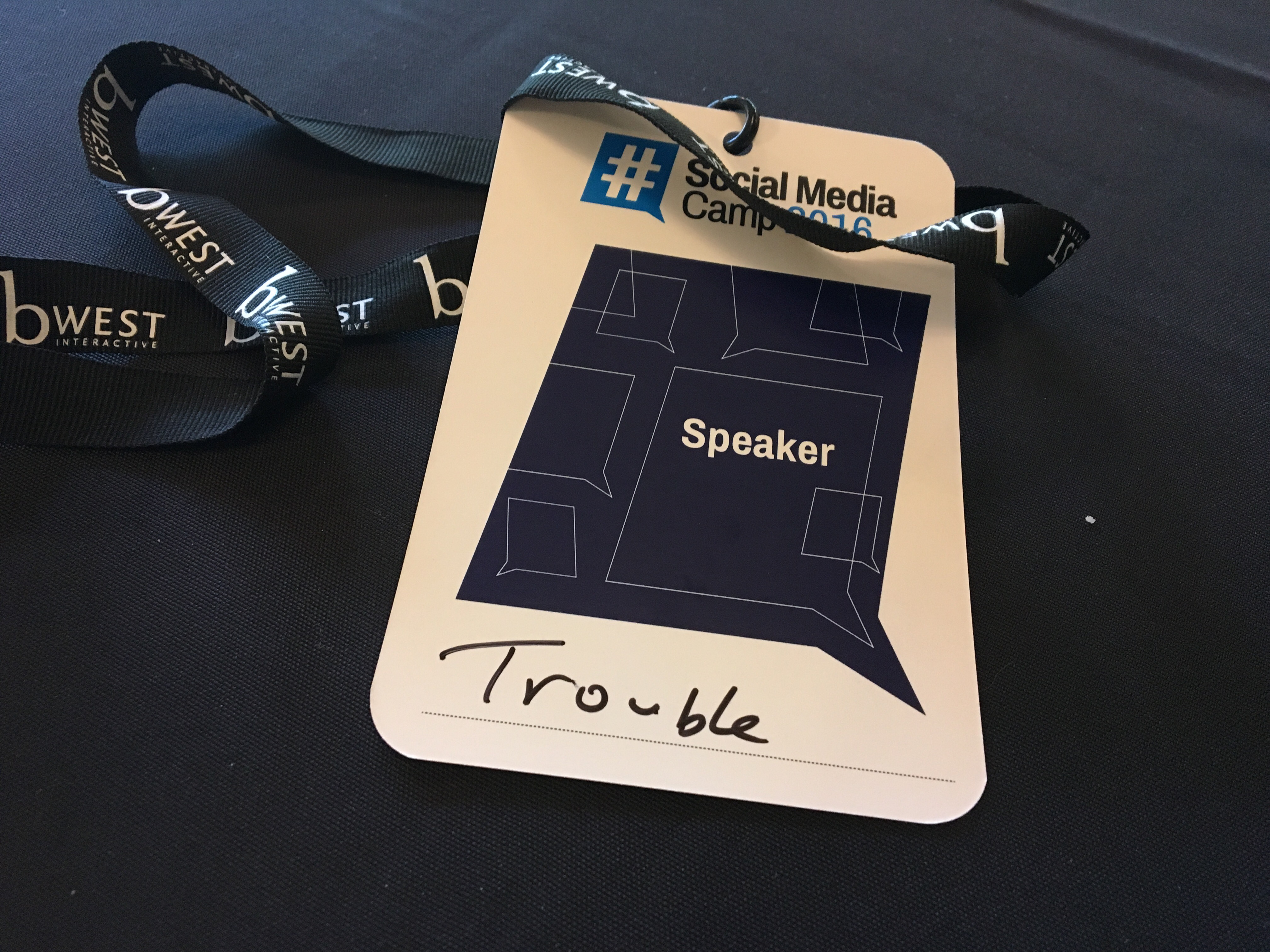
The photo below is the flip side of my Social Media name tag. My name is on the other side, but this side works. 

Epiphanies

Most instructors have likely experienced this. You get your mail in the department and you have a card from a former student that essentially says the following: I took your class a number of years ago and wanted to say thank you. I thought you were crazy, but now that I’ve been working I find that I think of you and the class fondly. I am sorry for being a jerk. Your class was important. Thank you. I appreciate the thanks, and I also appreciate the apologies for sarcasm or making the class discussion more difficult. These notes are quite meaningful.

Approximately ten times per year, I get emails, cards or Facebook messages like the above from my former students. Funny enough the cards are from an array of students and it is sloppy to say it is from the haters. The cards come from former students who are being honest. Some might think  that they were difficult, but I find that their memory and my memory vary. I can think of two very difficult groups over the years, and I have heard from one person out of that group, and the apology appeared honest at first. I say that, as that former student appeared lots in my social media being rather antagonistic. I wish I could say that the above is pure hyperbole. It is not.

Lately, this has happened more than most years. I think it’s the fact that the numbers of students that I have taught has increased or maybe it is the fact that I just finished my tenth year at the fourth university. They know how to contact me via snail mail, email or social media.

My point here is I have found that the students who send these notes surprise me. I am happily surprised that they contacted me. I am happily surprised with the thanks, and reminded about the privilege that I have working with them in the classroom. But, each card notes that I was approachable, enthusiastic or that my playing devil’s advocate made a difference. My students are not jerks. They are diligent, hard-working, exhausted, balancing lots, and do what they can. They are imperfect. And, so am I.

Great caption, excuse the f bomb


Friday Fun Facts

I am trying to get back on the Friday Fun Facts bike. My Fun Facts will be about conferencing.

  1. I started attending academic conferences when I was an undergrad. One of my mentors was supportive and shared that I  needed to get used to presenting  my work and the entire conference experience.
  2. My first terrible conference experience was at an APSA. I was a grad student and the discussant was unpleasant to the entire panel. I listened and learned and have taken my discussant role seriously. I am thoughtful and supportive.
  3. Once I earned my PhD, I always made sure that I took a grad student out to breakfast or dinner at a conference. And, I always introduce grad students to my network. I know what it is like to feel like an outsider in the at times clique-ish academic environment.
  4. If I see poor behavior by a discussant at a conference, I contact the conference organizers. I will not be a bystander to someone needlessly being an ass to people. See number 2. I will usually respond to the colleague who is not using a filter.
  5. I have multiple copies of my presentation and travel with my own dongles/connectors. I learned the hard way and have become very agile and ready to present my talk.
  6. I often invite a student or more junior colleague to present with me on a panel or round-table.

Hope these six, fast facts are useful. Share your conference facts! Sharing an image from Twitter. I love this mug.

img_2755

Performance Reviews: Coaching Your Grad Students

Today’s Fri Fun Facts is about my new use of writing Performance Reviews for the Teaching Assistants. After looking through the Canadian Union of Public Employee’s Agreement between my employer and the local group, I decided that it would behoove me to offer the Teaching Assistants a more formal review.  Today’s Fri Fun Facts will speak to how I will do this every term on.

My intention was to provide each Teaching Assistant with an honest, fair assessment of their work this term hoping that they could use the review in their teaching dossiers or as part of their resume paperwork. Writing the reviews took more time than I thought it would, as I really wanted to convey a personal review for each Teaching Assistant. How did I do this?

When I meet with each Teaching Assistant to review their graded work, I would email myself notes about the meeting and these summaries were useful. When students would see me during office hours and offer unsolicited comments about their Teaching Assistant, I would email myself a copy of the comments for my records. These little things were important to providing me a memory of the Teaching Assistant’s performance.

My suggestions:

1. Keep notes or records about the Teaching Assistant’s performance. If there is every tricky situations, these notes are really useful. More importantly, this will be helpful when you have to write a letter of reference or serve as a reference.

2. Check in with the Teaching Assistants to make sure that they are doing well and feel that they are getting enough support from you. You should assign a mentor Teaching Assistant to a new Teaching Assistant.

3. Provide them guidelines about your expectations. You might email or verbalize this. I actually provide a dossier: a one to two page expectations letter, sample graded work, exams, grading guidelines for the university, and a copy of the syllabus.

4. Be available. You need to set up times to be available for their questions or be willing to guide and coach the Teaching Assistants as needed. Some will need more of your time and others hit the ground running.

5. With the review, think about the Teaching Assistant’s grading, effort, interaction with the team, students, and comment on this. Note any areas for improvement and be willing to note if you think that you could have supported the Teaching Assistant more.

6. Be honest. The review should be helpful, but it does not need to only be positive. Constructive comments are sometimes needed, but offer them in a helpful manner.

Overall, the Performance Review should be helpful for you, the Teaching Assistant, and any future employer who sees the document. Remember that the arrangement is really an apprenticeship and you need to mentor or coach the graduate student, as this is not “free” grading for you. The cost is really supervising and helping the Teaching Assistant perform the duties. I have to remind myself of this occasionally! How do you evaluate your graduate students? Performance reviews is feedback, and we all deserve constructive feedback.

Six Fun Facts

I am a pretty red extrovert, and I have taken special care in the last three years to be more mindful about my extroverted ways. I have learned to modulate my speech, and move my hands less, when engaging an introvert. It’s taken me years to work on this, but I think I have gotten better. I have a few fun facts to share. These are truisms for me, and might not hold water for you. 

1. Thinking about communication is work. 

2. You do not have to respond. 

3. Pause, and then reposed. (If you are going to do so). 

4. Use delay delivery with your email. It also gives you some time to go back and review

5. Enthusiasm can go a long way. 

6. A meaningful thank you or sorry is worth its price in rubies. 

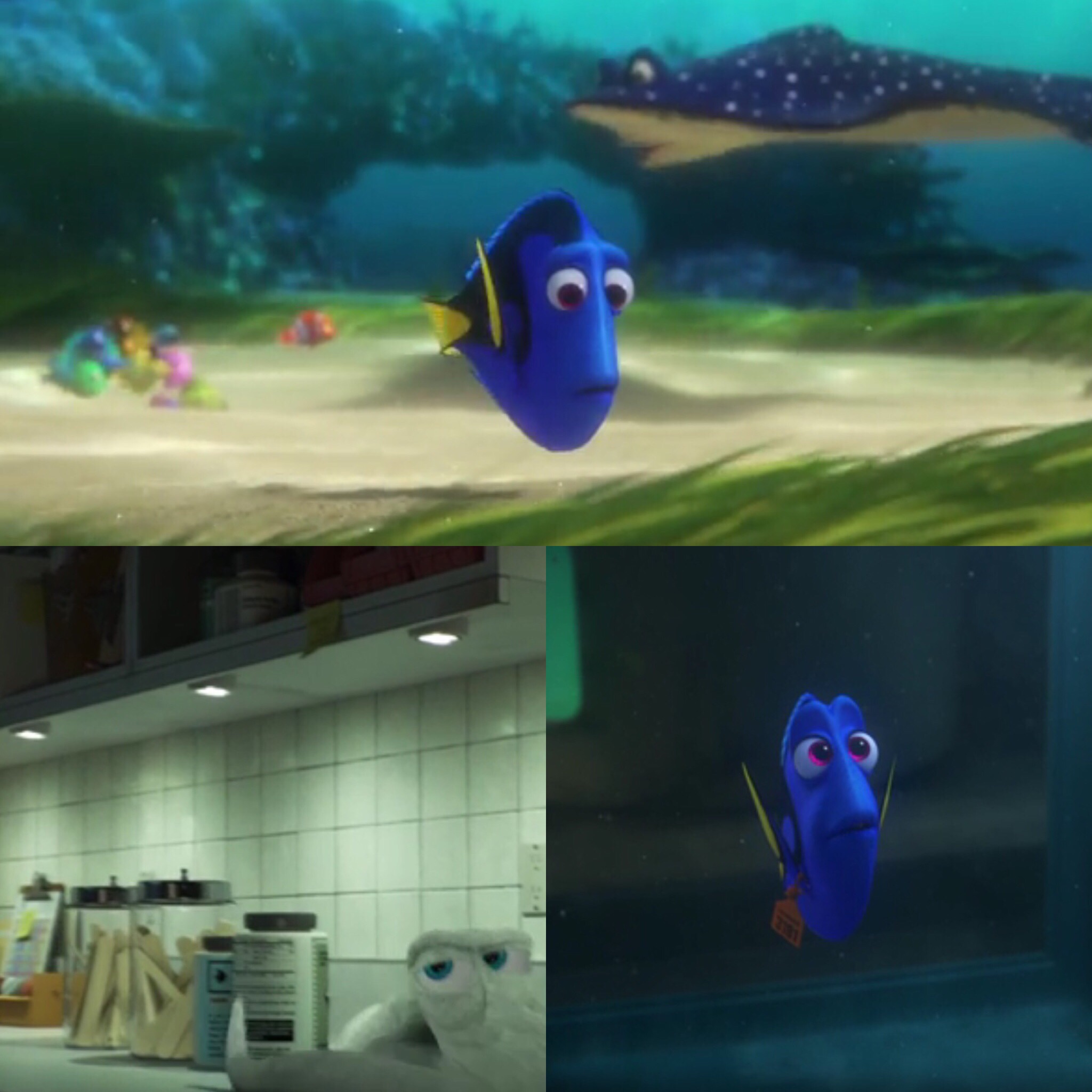
That is all! Here are some screen caps from “Finding Dory.” 


Do Not Glorify Busy: Friends

This post is revised, but provides a timely reminder. Our lives are not about competing with one another about how busy we are. No one wins the busy olympics. Do not glorify busy. Do not proudly say, “I am triple booked.” One-upping does not make you more important. We are all busy.

My mantra for 2013 was: I will not glorify busy. This mantra deserves its own post, but I will speak to something more specific here. I continue to not glorify busy, since I know that everyone is busy and it’s relative to our lives. I will not make myself more busy than I need to and pass on social situations that I have to “phone in.”  This does not include work meetings or commitments, as that is different since I have to attend these meetings. I had a loved one in my family go through a major health crisis a few years ago and it was a wake-up call for better life balance and here I am thinking about things. I am better at taking time off. I have not perfected it, but I am getting better. One of the things that I am more cognizant of that is extremely important that I take care of myself. I am not talking about the basics: food and shelter. No, I’m referring to a more nuanced way of taking care of myself. If I have better balance in my life, my family benefits. If my family benefits, so do my friends, and then my co-workers and students. When my family was in crisis, I saw which friends were available and offered help and more importantly I also saw who I wanted to spend time with during my down time or me time.

I want to surround myself with people who are good friends. I want to spend time with people who are not vampires–you know the ones. You might refer to them as emotional vampires. Now, that I am trying to take better care of myself, I am more careful with my free time. Friendships are important and I am surrounded by some wonderful people in my life. But, I took stock during the last nine months and have forged some stronger friendships with some friends and have walked away from some other more shallow friendships. Surround yourself with people who have your back! This post is germane given that I am off to BlogHer and will surround myself with like-minded people. My hope it to make some new friends and finally meet some “old” ones in real life.

This post is reposted with a few things added. Overall, the sentiment is germane. Do not glorify busy. You will not get a gold medal or cookie for being busy. Take care of yourself!

627

The Academic Interview: Visit, Talks, and Politics 

  The last time I had a job interview for a tenure-track job, I was successful and got the job. I had spent 2/3 of my academic career as contingent faculty and felt like I caught the golden snitch. Now, that I am several years past the job interview I am thinking more about the process. I have some points to share based on my experience as the job candidate and sitting on numerous hiring committees between two universities. 

You can never be over-prepared. Do your research about the university and the department. You need to speak to the classes you can teach and how you can add to the teaching, learning, research, and overall community in the department. Practice your job talk and teaching talks with friends, who can offer you advice about your presentation and “working” the room. Choose what you’re going to wear for the trip with special care. Be prepared for a jam packed day or days at the campus. You will be scheduled from dusk to dawn to meet everyone on campus. 

You likely will meet with students in the department. Make sure that you give them the attention that they deserve. They might not have a vote on your position, but these are the students who you might work with come the next term. Have questions for the students. Some of the student are really invested in who you are and are likely interested in who will join the department. 

When you are done with the process, send the department chair a thank you note for the opportunity. 

Odd things that happened to me during my last interview process:

1. A student came up to me and let me know that he supported my candidacy, but the student course union did not. I smiled and reminded him that the course union does not have a vote. However, I will say this. The student leaders with their closed arms during my talk was something that I remembered for the next school year, and then let go. When some of them later approached me for letters of reference, I was surprised. Their behavior was rude. 

2. Hiring brings out the best and worst in the hiring committee and you have little control over this. There is often different factions in a department and this is not about you, but perhaps your supervisor or old arguments in the department. 

3. If you work at the campus where you’re interviewing, you will see the other candidates getting escorted around campus, at lunch, and elsewhere. Roll with it. 

4. If someone falls asleep during your job talk, do not take it personally. I have seen this happen and was surprised, and felt terrible for the job candidate. If you do something silly, recover. I recall one job applicant coughing out his mint. He recovered well. I don’t remember his name, but I remember how smooth he was with the issue. 

5. Be prepared for things you cannot control, people coming to your presentation late, texting during it, and making sour faces after you answer a question. While this behavior is uncollegial, at times it is really not about you. 

Related to the five brief points: be gracious. If you get an interview, you will feel like you won the lottery. Do not lose the ticket, and prepare for the interview. 

Good Luck! 

This is the first of a few posts related to the interview process. 

Review: danah boyd’s Work

Read More Books

First of all, author danah boyd does not capitalize her name, so this is not a typographical error. I have read her book It’s Complicated: The Social Lives of Networked Teens (2014) a few times and I’m now teaching it in my Technology and Society 400: Technologies of the Future seminar. She does a great job of offering a thoughtful and respectful examination of teens use of social media. The big takeaway is that today teens use social media to socialize with one another. It is their social space.

She is not offering a wagging finger at youth about narcissism or technology addiction. Sure, she covers cyber-bullying and cyber predators, but overall she treats teens with socio-political agency and not as mindless victims to technology. She also speaks to the digital divide and the ways that youth use technology for important personal connection, and establishing their identities.

My students talked about technology use and addiction and one student noted that addiction is serious term and that we should be mindful of the use of the term. The student was correct, and we chatted about technology addiction. When I queried the class about how many sleep with their phones near their pillow, I saw many sheepish smiles.

This book provides a good opener to the seminar. I find it better to start off on a good foot and not jump right into doom and gloom about data mining, terms of service, and surveillance. That is for next week! Seriously, we are going to cover lots of material about technology and culture and very little condemns it. The class has a major project developing a mock up for an app that is needed on campus or in the greater community. Right now some students want to add to the current mobile app and others want to enhance Fitbits or other wearables for students. From my point–the future is bright.

boyd, danah. 2014. It’s Complicated: The Social Lives of Networked Teens. New Have: Yale U P.

Ladies Learning Code: Why the #YYJ Chapter is Great

I am lucky to live in Victoria, BC and work at UVIC. I have met some wonderful people on and off campus. I have been involved with Ladies Learning Code Victoria (#yyj) Chapter as a volunteer, learner, and sponsor. And, here I am again at an event. This weekend’s event is a Python session. We have approximately 40 learners here and a mentor at each pod.

The energy in the room is amazing. My favorite part, though, is the introduction of the mentors. Every mentor is either affiliated with UVIC or is a local business worker/owner who wants to see more women working as a programmer or developer. It’s quite breathtaking to meet the students involved with the Women in Computer Science and Engineering members. The learners vary in age from 15 – retired.

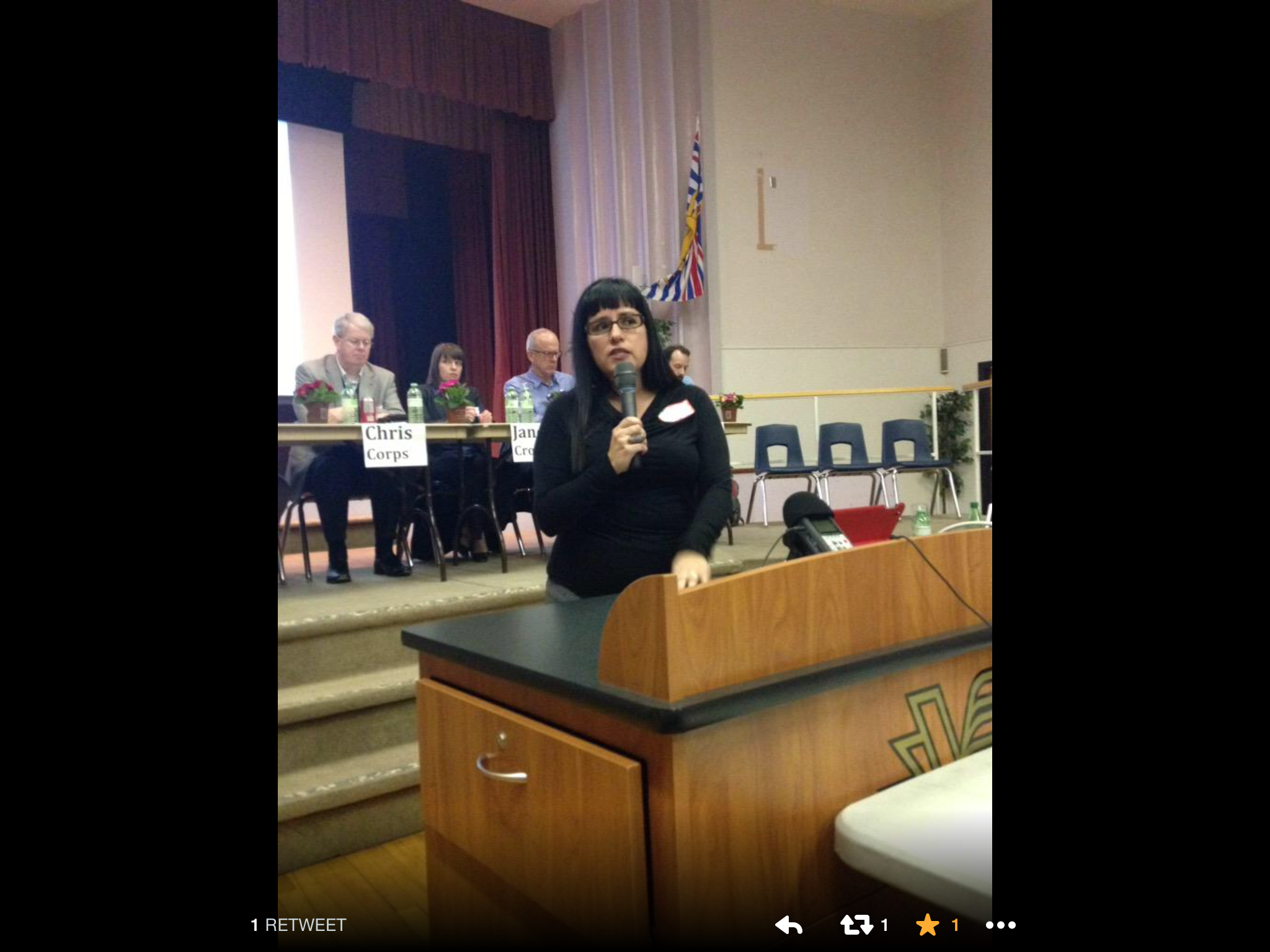
This time the session was held in one of our Active Learning Classrooms. The room is set up with the instructor in the center, and the students in pods. The set up requires lots of interaction between the students, and the instructor. I am happy to share that the attendees were blown away with the room. I do not feel smug, but rather like I am seeing the consequences of months of hard work by the leadership of the local Ladies Learning Code chapter, and the Classroom Infrastructure Committee at UVIC. OK, I take it back, maybe I feel just a little smug. Smug, and very happy.

Whenever I can see some active learning taking place, I feel a sense of pride. And, here I am witnessing the magic take place, as one of our undergrads leads the session. Yes, she’s teaching the session and doing an amazing job. Ladies Learning Code does a great job connecting our students and the local community.